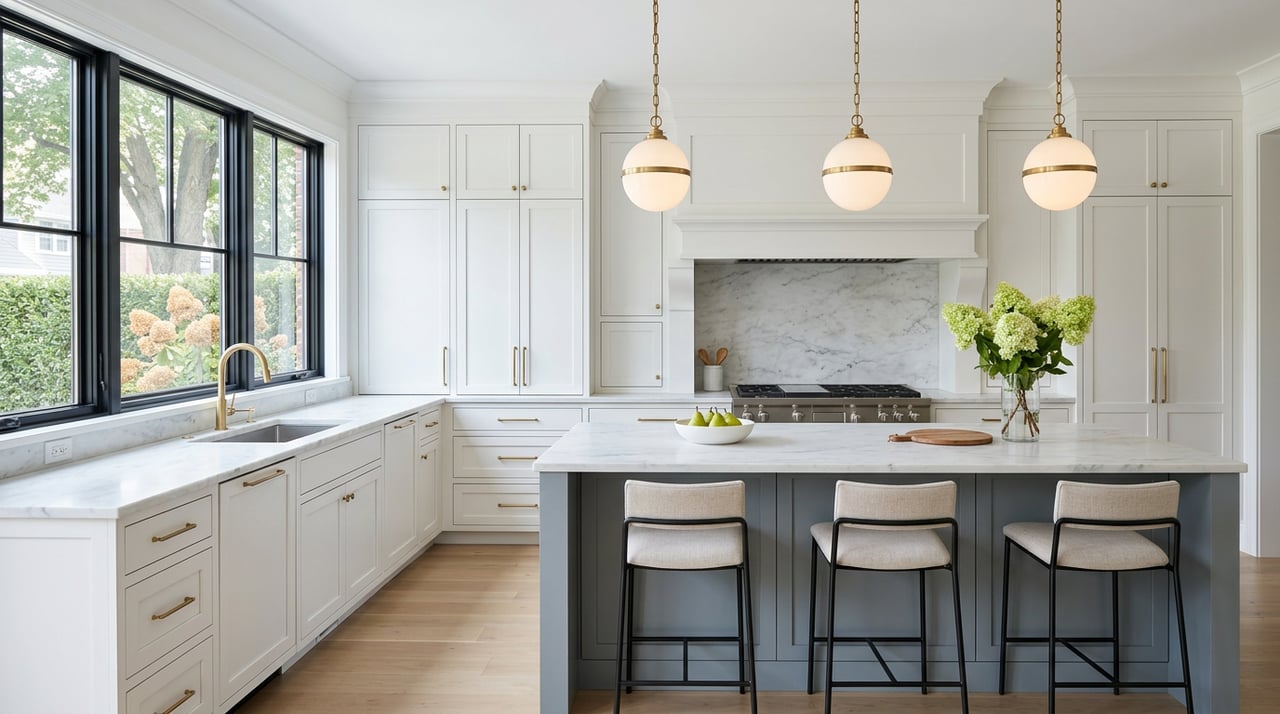
Thinking about trading your Boston condo for a Wellesley backyard, a quiet street, and a manageable commute? You are not alone. Many professionals and families make this move for more space, village charm, and strong schools while staying connected to the city. In this guide, you will learn how Wellesley’s neighborhoods differ, what commutes really look like, how schools and enrollment work, what to expect on pricing, and how to time your Boston sale with a Wellesley purchase. Let’s dive in.
Why Wellesley appeals from Boston
Wellesley sits about 13 to 15 miles west of downtown Boston and centers around multiple village hubs with three MBTA Commuter Rail stops: Wellesley Square, Wellesley Hills, and Wellesley Farms. The Framingham/Worcester line connects directly to Back Bay and South Station, which helps you keep a city job while enjoying suburban living. Station details and schedules make it easy to compare door-to-door options.
The town’s 2020 population is roughly 29,550, and household incomes are among the highest in Massachusetts. The housing stock leans single-family with mature trees and established streets, plus a compact, walkable downtown. You will find a mix of historic homes, updated colonials, new construction, and a few condo-townhome pockets near Linden Square and village nodes.
Neighborhood snapshots
Wellesley is compact, but each village has a distinct feel. Block-by-block differences are common, so use these as starting points and verify current pricing with the local MLS on the day you shop.
Wellesley Square
If you want a town-center lifestyle with cafes, restaurants, and boutiques close by, start here. The Wellesley Square station is a short walk for many streets, which helps commuters. Listing medians in this area often sit below the town’s top-tier pockets, so it can be a smart entry point for buyers prioritizing convenience.
Wellesley Hills
Wellesley Hills blends village amenities with established streets, parks, and proximity to schools. Pricing trends in this pocket often land in the mid to upper range for the town, reflecting larger homes and traditional curb appeal. Many buyers choose the Hills for balance: commuter-rail access, services, and residential character.
Wellesley Farms
Wellesley Farms skews quieter and more estate-like, with larger lots and mature landscaping. It is one of the town’s priciest areas and includes some of the top-end properties in Wellesley. For context, top-tier listings can reach into the eight figures, like a recent multi-structure compound that hit the market at $17.5 million, according to reporting in Barron’s.
Linden Square and Dana Hall area
Linden Square offers shops, services, and nearby condo or townhome options, while the Dana Hall area sits close to notable private school campuses and steps from Wellesley Center. Prices and home types shift within short distances, so expect meaningful variation by block and immediate radius.
Commute and getting around
Your commute will shape how you experience Wellesley. Plan for both rail and driving trials at your actual work hours before you buy.
Train basics
The Framingham/Worcester line stops at Wellesley Farms, Wellesley Hills, and Wellesley Square, typically in MBTA Zone 3. Scheduled rides to Back Bay or South Station often run about 25 to 40 minutes on many trains. Realistic door-to-door windows for most buyers are about 30 to 45 minutes once you add station parking or walking and last-mile time. Check Wellesley Square schedules and station info for a quick look at options.
Driving reality
For driving, your primary routes are I-90 to downtown and Route 9 into the Back Bay area, with I-95/128 for north-south regional trips. In light traffic, you might see 25 to 35 minutes. At heavy peak times or with an incident, 35 to 60 minutes or more is common. Test a few weekday windows that match your office schedule to see your true door-to-door time.
Parking and service alerts
Wellesley’s commuter stops include town-managed lots and MBTA lots, typically with weekday fees. Lots can fill, and some permit areas have waitlists. Review parking details before you commit to a station, and check for service changes during track work or seasonal maintenance. As a reference point, see Wellesley Farms station parking details and keep an eye on service alerts and project updates, especially if you plan weekend or off-peak travel.
Schools and education landscape
Wellesley is often on the shortlist for families who value a strong public school system, a neighborhood-based elementary model, and access to private options.
Wellesley Public Schools overview
Wellesley Public Schools operate six elementary schools, one middle school, and Wellesley High School. Total district enrollment typically sits around 3,800 to 4,000 students, depending on the year. Elementary assignment follows neighborhood attendance zones, so your address helps determine your school. Review the district’s structure and contacts on the WPS district information page.
Performance snapshot and data
Wellesley schools rank near the top statewide on multiple measures, including graduation rates and MCAS/SAT performance. The state recently adjusted graduation and MCAS policy starting in 2024–25, so use current sources when you compare districts. For up-to-date context and links to data, visit Mass School Rankings’ Wellesley overview.
Enrollment logistics and METCO
If you are moving in with elementary-age children, confirm your attendance zone and any transfer or appeal policies before you make an offer. Wellesley participates in METCO, a voluntary desegregation program connecting Boston and participating suburbs. For zone maps and the October 1 enrollment snapshot, review the district’s attendance-zone and enrollment report.
Private school options
Families also consider private schools in and near Wellesley. Notable local options include Dana Hall for grades roughly 5–12 and Tenacre Country Day for lower grades. Application cycles often start early, so reach out well ahead of peak deadlines. You can get a quick overview of programs like Dana Hall’s school profile.
What homes you will find
Most Boston-to-Wellesley buyers target 3 to 5 bedroom single-family homes, often around 2,000 to 4,000 square feet, with lot sizes that vary by village from roughly 0.2 acres to over an acre. Townwide, aggregator snapshots place typical home values around 1.9 to 2.1 million dollars, with higher medians in premium pockets and more affordable entry points near the downtown core. Treat those figures as directional and confirm the current single-family median and neighborhood comps with the MLS on the day you tour, since medians and list-to-sale spreads can move quickly.
How to time a sell-then-buy move
If you need the equity from your Boston condo or house to fund the Wellesley purchase, choose a path that balances risk, cost, and competitiveness.
| Path | Key pros | Key cons | Common tools | Best for |
|---|---|---|---|---|
| Sell first, then buy | Lowest financing risk, you know your proceeds | May need short-term housing or a rent-back | Rent-back from buyer, flexible closing date | Buyers with limited liquidity who want clarity on funds |
| Buy first, then sell | Stronger offer with no home-sale contingency | Requires carrying costs or short-term financing | Bridge loan, HELOC, buy-before-you-sell programs | Buyers who need to win a specific home and can handle interim costs |
Typical rent-back windows range from about 1 to 8 weeks, sometimes up to 60 to 90 days depending on the buyer and contract. Bridge loans are short-term, often interest-only, and require a clear exit plan through the sale of your current home. For a broader overview of timing, costs, and coordination, see this consumer guide on buying and selling a home simultaneously.
A simple timeline that works
- Weeks −8 to −4: Secure lender preapproval. Prep your Boston home for market with staging, repairs, and disclosures. Get photography and listing paperwork ready.
- Weeks −4 to 0: List your current home and aim for a clean contract within 2 to 6 weeks in an active segment. If you plan to sell first, negotiate a rent-back to bridge your Wellesley closing if needed.
- Under contract: Align closing dates across both transactions when possible. Typical closings run 30 to 45 days from ratification. If buying first, finalize bridge financing and confirm your exit plan timeline.
For more detail on juggling both sides of the move, check a step-by-step consumer explainer on selling and buying at the same time.
Make a contingent offer stronger
If you must include a home-sale contingency, you can still compete by tightening dates and showing strength:
- Shorten contingency windows and close promptly when your sale is under contract.
- Provide a larger earnest money deposit to signal commitment.
- Share clear proof of funds and a strong lender letter.
- Remove nonessential contingencies after inspections if appropriate.
Your financing and cash flow checklist
- Ask your lender to model carrying two mortgages temporarily so you understand the risk window.
- Discuss a bridge loan or HELOC, how each works, and the exit plan upon sale.
- If you value moving without a sale contingency, ask about buy-before-you-sell programs and their fees.
- Align your purchase timeline with your listing calendar to reduce overlap and storage or rental costs.
- Keep your preapproval current and ready for property-specific updates.
Next steps
Relocating to Wellesley can feel complex, but the right plan makes it manageable. Map your must-haves, test your commute at real times, confirm your school zone, and align your financing with a sell-first or buy-first strategy that fits your risk tolerance. If you want a calm, project-managed path from Boston to Wellesley, schedule a free strategy call with Colleen Kelly to map your timeline, review live comps, and start touring the right homes.
FAQs
How long is the Wellesley-to-Boston train commute?
- Scheduled rides on the Framingham/Worcester line are often about 25 to 40 minutes to Back Bay or South Station, with typical door-to-door times around 30 to 45 minutes when you add parking or walking and last-mile time. See station details and schedules.
Which Wellesley areas are closest to a station?
- Homes near Wellesley Square, Wellesley Hills, and Wellesley Farms enjoy walkable access in some blocks; always verify the actual walk and your preferred train times before you buy.
How does elementary school assignment work in Wellesley?
- WPS uses neighborhood attendance zones for elementary grades; confirm the zone for a given address and review the October 1 enrollment snapshot on the district’s attendance-zone and enrollment report.
Are Wellesley public schools highly rated?
- Wellesley schools rank near the top statewide on multiple measures and data points; review current performance, graduation details, and state policy updates through Mass School Rankings.
What price range should I expect for a single-family home?
- Aggregator snapshots place typical Wellesley values around 1.9 to 2.1 million dollars, with higher medians in premium pockets; always verify the current single-family median and neighborhood comps with your MLS on the day you tour.
Is rent-back common if I sell first in Boston?
- Yes, many sellers negotiate a short rent-back, often 1 to 8 weeks and sometimes up to 60 to 90 days, to bridge into their Wellesley closing; terms depend on the buyer and contract and should be negotiated clearly.