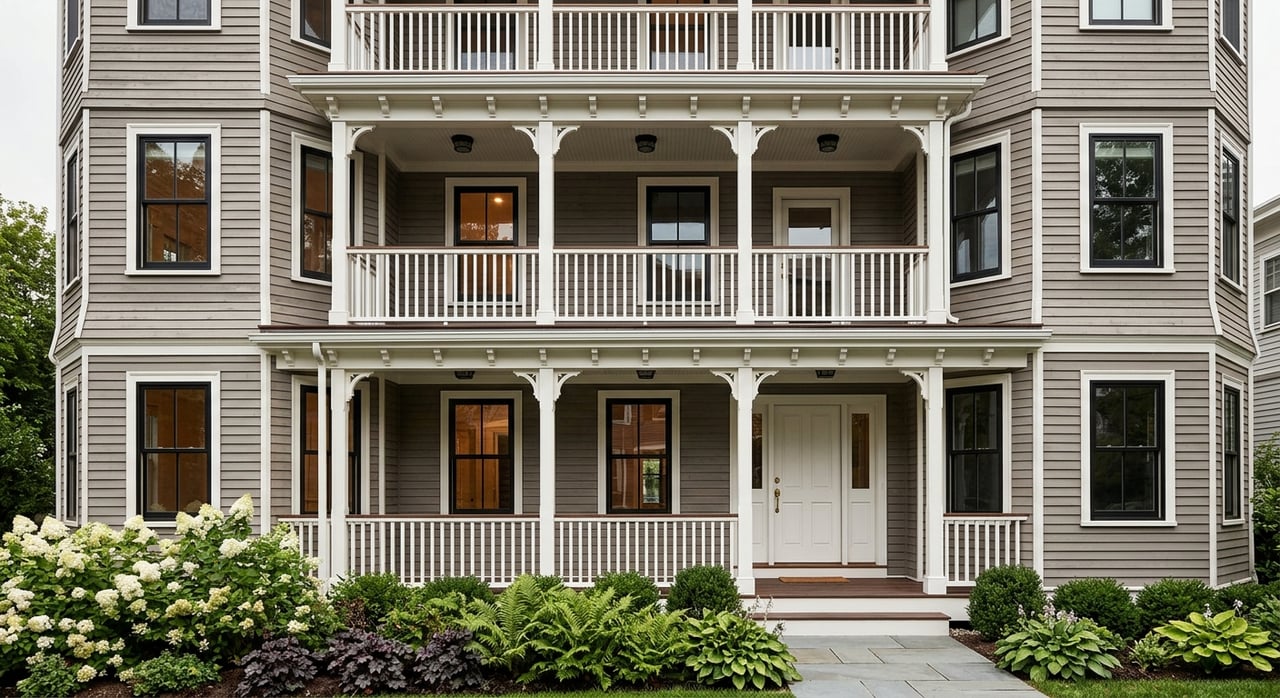
If you have been thinking about buying a two- or three-family home in Somerville, you are not alone. For many first-time investors, the idea of living in one unit and renting the others feels like a practical way to enter a high-cost market while building long-term wealth. The key is understanding how Somerville’s housing stock, rules, and financing options shape the opportunity before you make an offer. Let’s dive in.
Why Somerville Stands Out
Somerville is not just a condo market. According to the city’s 2025 Housing Needs Assessment, more than half of Somerville’s housing units are in two- to four-unit structures, and 54.5% of assessed properties fall into that small multifamily category.
That matters if you are a first-time investor because it means small multifamily housing is part of the city’s core fabric. It also means you are shopping in a market where these properties are familiar, in demand, and often tightly held.
The same housing assessment found vacancy and availability rates of just 1% to 2% in 2022. In plain terms, Somerville is a very tight housing market, which can support steady tenant demand but also create competition when a well-maintained multifamily property comes up for sale.
What “Multi-Family” Often Means Here
In Somerville, building form matters as much as unit count. The city’s zoning ordinance for residential districts specifically recognizes the detached triple decker as a principal building type.
A triple decker in Somerville is generally a detached building with two or three vertically stacked units. In the Neighborhood Residence district, detached triple deckers are permitted by right, with a cap of three dwelling units and three stories.
The ordinance also defines duplexes differently than many buyers expect. In Somerville zoning, a duplex is side-by-side rather than stacked, which is a useful reminder that two buildings with the same unit count can function very differently in layout, maintenance, and resale appeal.
Why Existing Small Multifamilies Are Scarce
Somerville still has a deep base of older small multifamily homes, but the city’s housing assessment shows that recent housing production has tilted more toward larger apartment buildings and condos. At the same time, 90.6% of residential parcels were built before 2000, which tells you much of the existing stock is older.
For you as a buyer, that creates a mixed picture. Existing two- and three-family properties remain a scarce asset class, which can support long-term interest and resale demand, but many buildings may need repairs, updates, or careful due diligence.
This is one reason first-time investors should look past the listing photos. In Somerville, the numbers matter, but so do condition, layout, permit history, and the building’s long-term flexibility.
Start With Rent Reality
When you first analyze a potential purchase, citywide rent data can help you build a rough framework. Zillow Rental Manager’s Somerville market trends show average asking rent around $3,790 citywide as of mid-April 2026, with three-bedroom averages around $4,000.
For context, the same source shows Cambridge at about $3,650 citywide and $4,500 for three-bedroom units, while Medford averages about $3,602 citywide. These are broad city averages, not direct comps for a specific property, but they can give you a useful first look at possible income.
If you are planning to house-hack, this is where discipline matters. Use broad rent figures only as a starting point, then refine your assumptions based on unit size, condition, location, and configuration.
Understand Condo Conversion Rules
One of the biggest Somerville-specific issues for first-time investors is condo conversion. This is not a minor technical detail. It can affect tenant rights, timing, and your future plans for the property.
Somerville’s Tenant Helper Handbook explains that rental units cannot be removed from the market for condo conversion without a removal permit from the Condominium Review Board. It also outlines tenant protections, including advance notice, moving-expense payments for eligible tenants, and a right to purchase after a removal permit is granted.
The city strengthened these protections again in 2025. According to Somerville’s condo conversion ordinance update, certain vacant formerly tenanted units now require two years’ notice to the Condo Review Board before a final permit is issued, and relocation assistance requirements increased for tenanted units.
That means you should not assume you can buy a multifamily, change its structure, or convert units to condos on your own timeline. You will want to review condo status, master deed history, and any pending or prior filings early in your diligence process. The city’s Condominium Review Board exists for a reason, and this is an area where details matter.
Financing Basics for Owner-Occupants
If you plan to live in one unit, you may have better financing options than a pure investor. HUD states that FHA-insured mortgages can be used for two- to four-unit properties, with minimum required investment as low as 3.5%.
That said, FHA has an important extra rule for three- and four-unit properties. HUD requires a self-sufficiency test, meaning the projected principal, interest, taxes, and insurance cannot exceed 100% of the monthly net self-sufficiency rental income.
Conventional financing may also be available. Fannie Mae’s HomeReady program advertises down payments as low as 3% for eligible borrowers, but for two- to four-unit principal residences, the selling guide generally requires a 5% minimum contribution from the borrower’s own funds before gifts or other assistance are layered in.
The practical takeaway is simple: owner-occupying can open doors, but small multifamily purchases still require real capital, careful lender conversations, and conservative underwriting.
Due Diligence Matters More in Older Buildings
Because so much of Somerville’s housing stock is older, first-time investors should be especially careful about renovation history and legal compliance. The city’s Building Division says a building permit is required before work starts and that permits signify zoning and state code compliance.
The department also notes that certificates of occupancy are among the inspections it conducts. For properties with three or more units, a licensed contractor must apply for and obtain the building permit.
Before closing, it is smart to verify:
- Building permit history
- Certificate of occupancy status
- Whether additions or finished spaces were properly approved
- Whether past unit changes align with zoning and code records
- Whether any planned work will require licensed-contractor involvement
For first-time buyers, this is where a high-touch, detail-oriented approach can protect you from expensive surprises later.
How Somerville Compares Nearby
If you are deciding between Somerville, Cambridge, and Medford, the differences are useful. According to Housing MA community profiles, 60.66% of Somerville housing units are in two- to four-unit buildings, compared with 33.06% in Cambridge and 32.22% in Medford.
That makes Somerville the most concentrated small multifamily market of the three. If your goal is to find a classic house-hack or small rental building, Somerville offers a deeper pool of that housing type than nearby alternatives.
Cambridge has also moved more aggressively on zoning. The city reports that its 2025 multifamily zoning changes allow multifamily housing citywide, with broader development flexibility in some districts. Medford, by contrast, is still working through broader zoning changes, though it has adopted a Wellington Station multifamily overlay district in response to MBTA Communities requirements.
For a first-time investor, that means each market offers a different story. Somerville is heavily defined by existing small multifamily stock, Cambridge is more zoning-forward for future production, and Medford can feel somewhat less dense while still offering some multifamily options.
A Smart First-Investment Approach
If you are buying your first multifamily in Somerville, a measured approach usually works best. You do not need to know everything on day one, but you do need a clear framework.
Start with these basics:
- Set your strategy. Decide whether your priority is house-hacking, long-term rental income, or future flexibility.
- Talk to lenders early. Compare owner-occupant loan options and understand FHA or conventional rules before you shop.
- Underwrite conservatively. Use broad rent data as a baseline, not a promise.
- Review the building carefully. Older properties need close attention to permits, occupancy status, and prior work.
- Check condo-related history. In Somerville, conversion rules can shape what is possible later.
- Expect competition. Scarce, well-located two- and three-family homes can attract strong interest.
A first investment property should not just look good on paper. It should fit your budget, your timeline, and your comfort level with managing an older urban building.
Why Guidance Helps in Somerville
Somerville can be a compelling place to buy your first multifamily because the housing stock is real, the rental market is tight, and the small-building format is deeply established. But it is also a place where local rules, older properties, and limited inventory make details especially important.
If you want help evaluating a two- or three-family opportunity, thinking through owner-occupant financing strategy, or pressure-testing a property before you move forward, Colleen Kelly can help you navigate the process with a thoughtful, data-driven approach.
FAQs
What makes Somerville attractive for first-time multifamily investors?
- Somerville has a high concentration of two- to four-unit housing, very low vacancy, and a long-established small multifamily building stock, which can make it appealing for house-hackers and first-time investors.
What is a triple decker in Somerville zoning?
- Somerville zoning defines a detached triple decker as a detached building with two to three vertically stacked dwelling units, generally limited to three units and three stories in the Neighborhood Residence district.
Can you use FHA financing for a Somerville two- or three-family home?
- Yes, HUD says FHA-insured mortgages can be used for two- to four-unit properties, though three- and four-unit purchases must also meet a self-sufficiency test.
Why do condo conversion rules matter in Somerville multifamily purchases?
- Somerville regulates the removal of rental units for condo conversion through a formal review and notice process, so conversion history or future plans can affect timing, tenant rights, and your options as an owner.
What should you check before buying an older Somerville multifamily?
- You should review permit history, certificate of occupancy status, prior alterations, and whether any work was properly approved by the city before closing.
How does Somerville compare with Cambridge and Medford for small multifamily investing?
- Somerville has a much higher share of housing in two- to four-unit buildings than Cambridge or Medford, which makes it especially relevant if you are focused on a first small multifamily purchase.