Considering a move from Jamaica Plain or Dorchester to Milton? You’re not alone. Many Boston buyers look south for more space, strong public school metrics, and easy access to nature. In this guide, you’ll see how Milton stacks up on housing, price, schools, parks, commuting, and resale so you can decide with confidence. Let’s dive in.
Milton at a glance
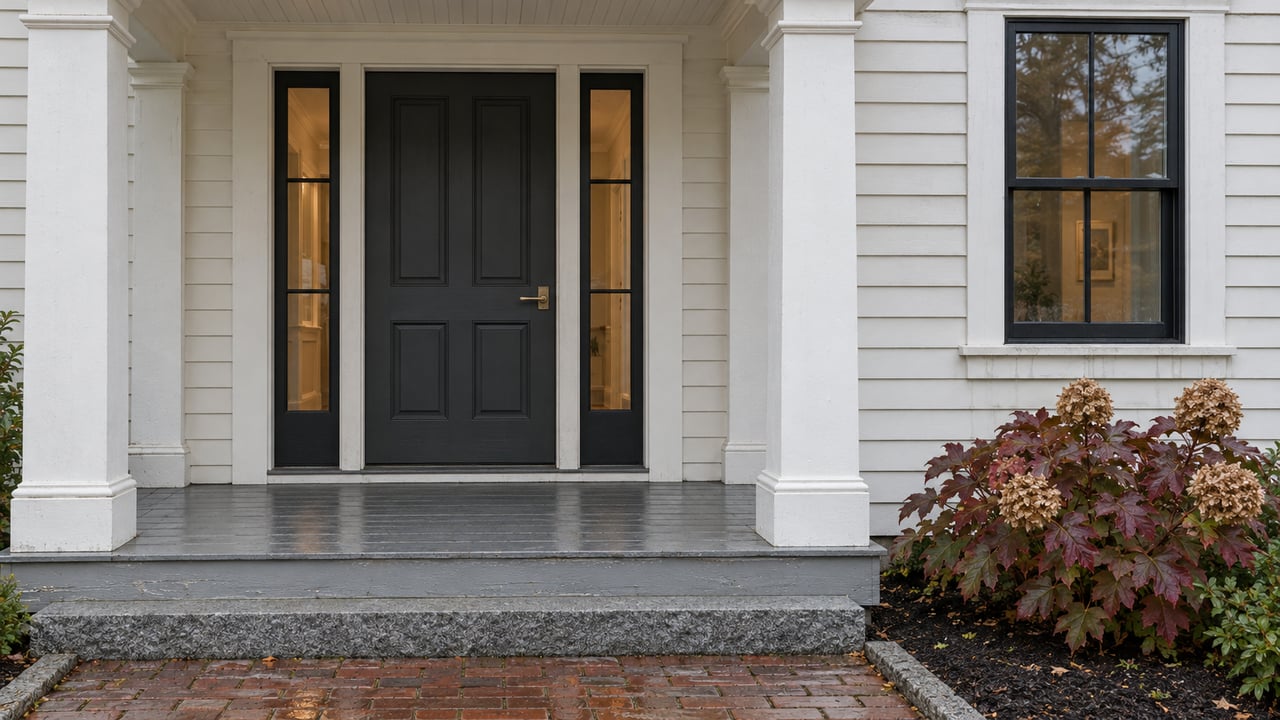
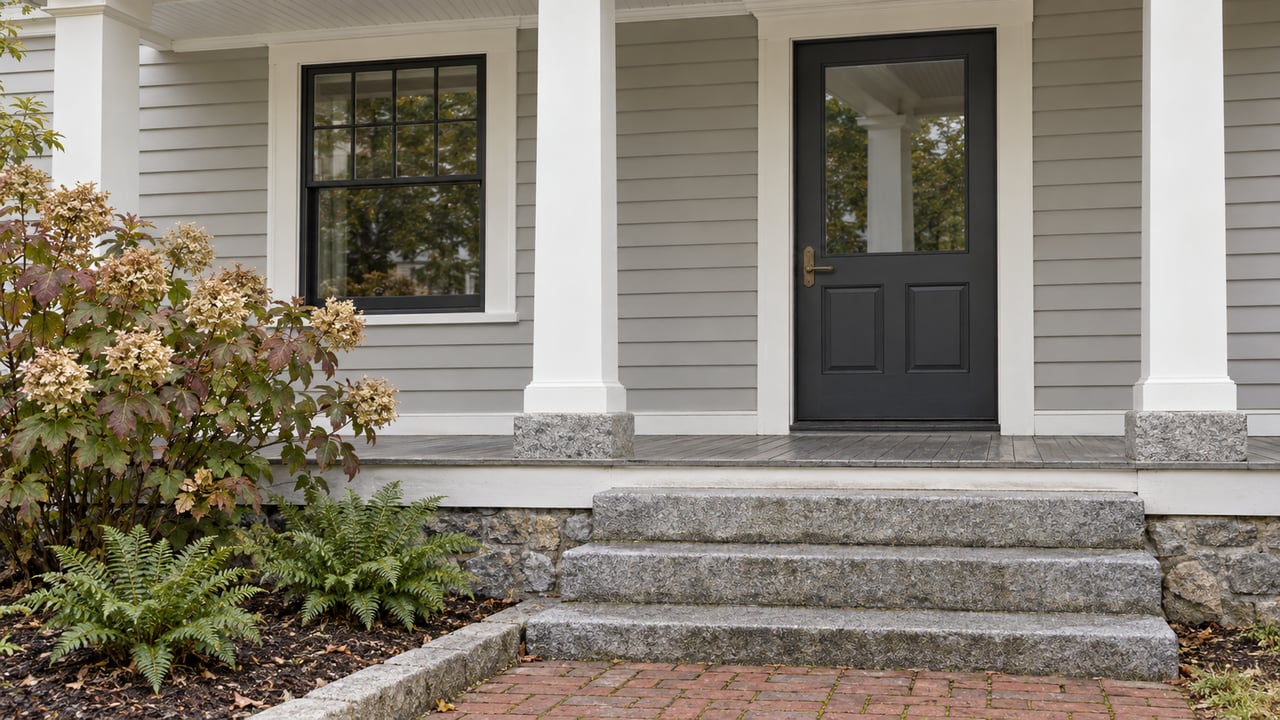
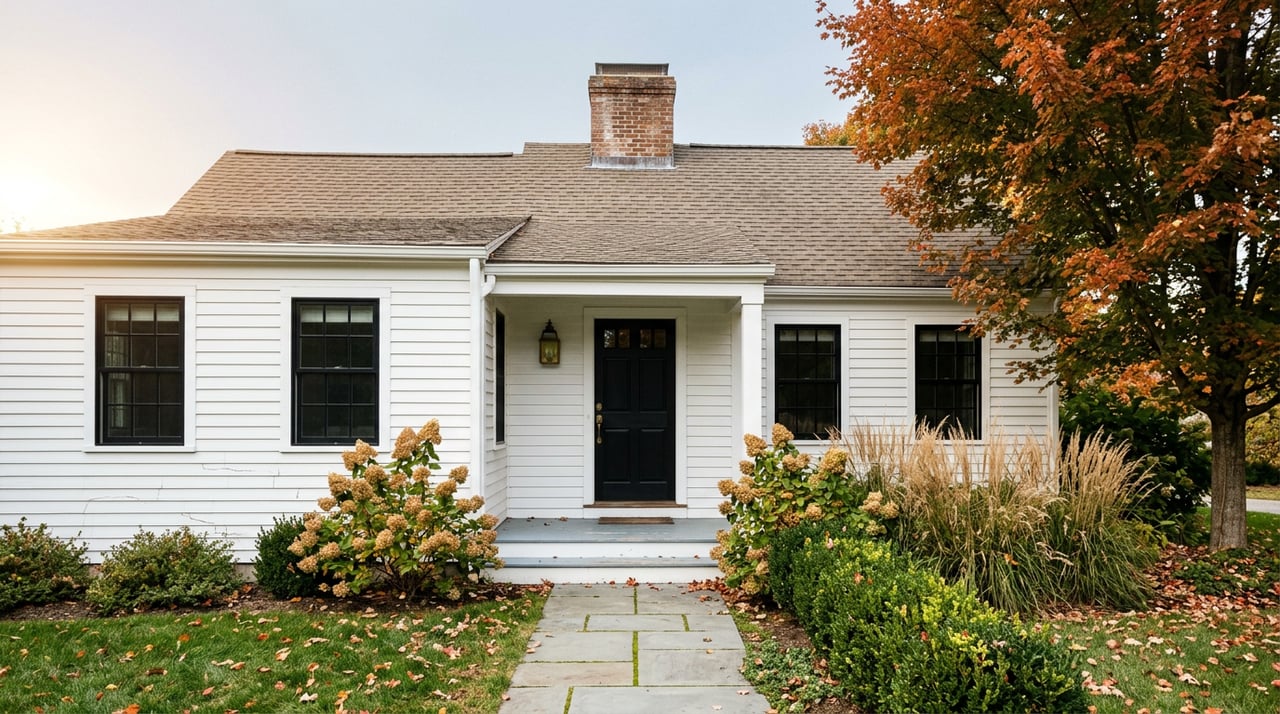
Milton is an inner-ring suburb just south of Boston with a mostly owner-occupied, single-family housing stock and a quieter neighborhood feel. The town’s planning materials highlight predominantly single-family streets with smaller pockets of two- and three-family homes, especially in parts of East Milton and the northwest side. That mix creates a more suburban lot-and-yard experience than most Boston neighborhoods you may be used to. Town planning documents offer a helpful overview of this character.
On pricing, recent third-party market snapshots often place Milton’s median sale price near the high six to low seven figures. For example, recent feeds have shown a median sale price around $990,000 and an average value index a bit above $1.0M. As a steadier baseline, the U.S. Census American Community Survey lists the median value of owner-occupied homes around $896,500, which helps you compare towns over time. You can review that baseline in Census QuickFacts for Milton.
Owner occupancy is a major lifestyle driver. Milton’s owner-occupied rate is high, while Boston’s citywide rate is much lower. That contrast often translates to quieter streets, fewer large multifamily buildings, and a different turnover rhythm than urban neighborhoods. You can compare high-level demographics in Boston’s Census QuickFacts alongside Milton’s.
How Milton compares with JP and Dorchester
Space and home types
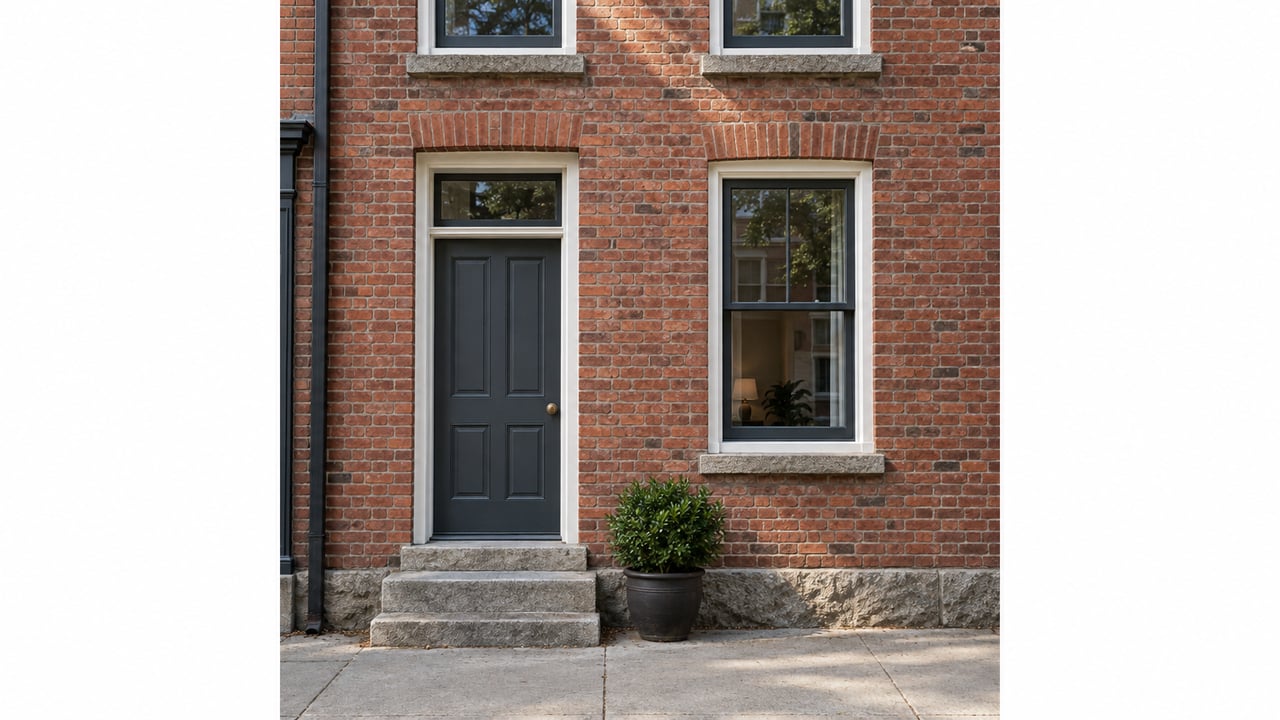
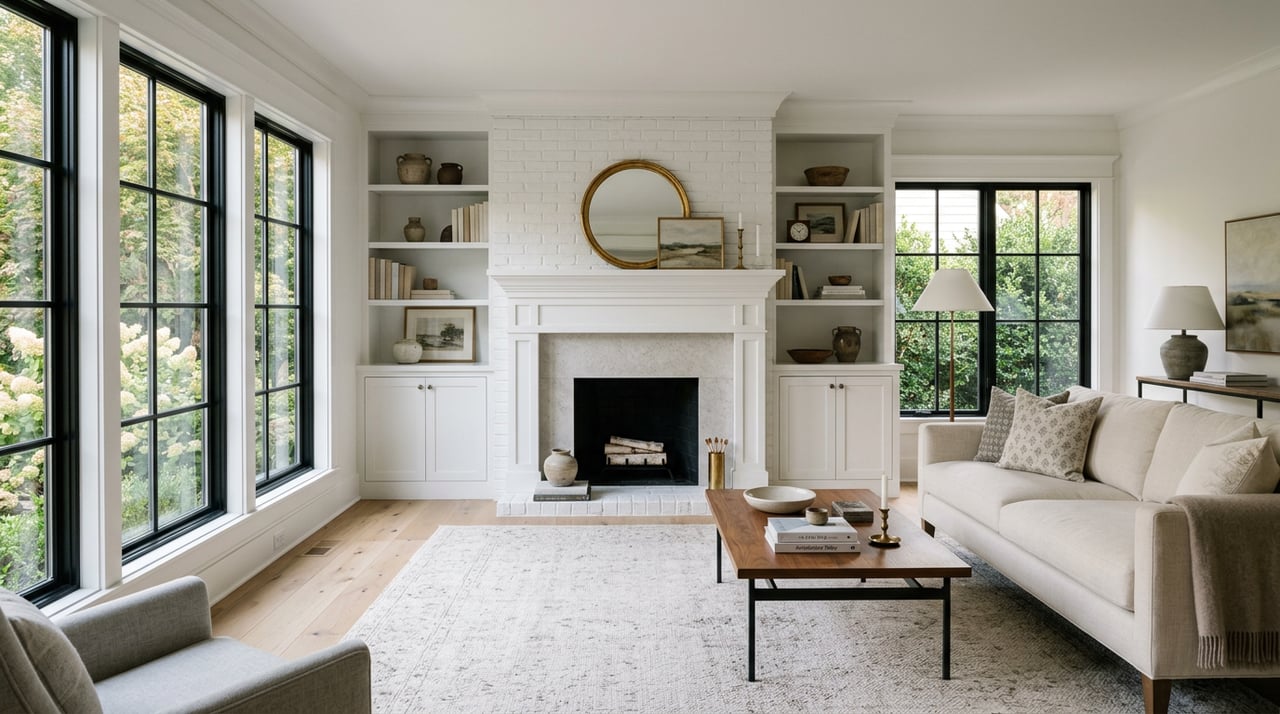
If you’ve lived in JP or Dorchester, you know the housing mix leans toward condos in triple-deckers, multi-family buildings, and smaller-lot single families. Milton shifts the default to detached single-family homes and select two-family pockets. For many buyers, that means larger interior square footage and private yards rather than stacked living.
Price and value tradeoffs
You likely won’t move to Milton to save on purchase price in the short term. Milton’s single-family market generally sits above typical JP and Dorchester medians. The value case is usually about what you gain: more space, a yard, and a town school system with strong, published performance indicators, all within a short distance of Boston.
Day-to-day lifestyle
JP’s village centers and Dorchester’s neighborhood main streets offer a classic city feel. Milton offers a more suburban rhythm. You’ll still find local shops and restaurants, but the standout everyday perks are private outdoor space and quick access to regional parks. If you picture weekend mornings on trails or at a pond, Milton makes that easy.
Schools and education options
Milton Public Schools overview
Families often shortlist Milton for its public school performance. The Massachusetts Department of Elementary and Secondary Education publishes accountability and achievement data for each school. Milton High’s profile highlights strong indicators such as MCAS achievement and growth, advanced coursework completion, and on-time graduation. You can review the latest metrics in the DESE Milton High profile.
Private school presence
Milton Academy, a selective independent school with a long-established campus in town, is part of Milton’s education landscape. Many families evaluate it alongside public options based on their goals and budget. If private education is on your radar, include it in your early planning as you assess total housing and schooling costs.
Comparing with Boston options
Boston Public Schools is a large, varied district where quality indicators can differ by school. Buyers moving from JP or Dorchester often weigh the city’s school choice and charter/exam options against Milton’s compact town system. Whichever path you choose, plan time to read school report cards, tour campuses, and compare specific grade-band results using DESE profiles.
Green space and weekend life
Blue Hills and Houghton’s Pond
One of Milton’s signature advantages is direct access to the Blue Hills Reservation, including Houghton’s Pond. You’ll find hiking, biking, swimming, and winter activities across a large, state-managed natural area right next door. For a sense of the terrain and seasonal activities, browse the DCR’s Blue Hills trip guide.
Neponset River Greenway connections
Milton also links into the Neponset River Greenway, a multi-use path system that connects Milton with Dorchester and Mattapan. It’s a practical route for biking, jogging, and weekend outings along the river. Learn more about the corridor and connections from the Neponset River Greenway overview.
How JP and Dorchester compare
If you love JP’s Arnold Arboretum and Jamaica Pond or Dorchester’s Franklin Park and waterfront parks, you’ll still have strong green options in Milton, just with a different flavor. JP and Dorchester integrate larger urban parks within denser neighborhoods, while Milton pairs private yards with regional open space. For context on Dorchester’s parks and network, see the City of Boston’s neighborhood guide.
Commute and transit reality
MBTA options and transfers
Milton is served by the Mattapan trolley branch that connects to Ashmont, where you transfer to the Red Line. Several bus routes also link Milton to Ashmont and other hubs. Because many rides require a transfer, total time can be longer than a one-seat subway ride from parts of JP or Dorchester. Regional planning documents outline the bus and corridor links that serve Milton in the Boston MPO Route 28 study.
Average commute times
As a baseline, Census estimates show Milton’s mean travel time around 32.1 minutes, similar to Boston’s average of about 30.3 minutes. Your actual time will vary based on exact origin, destination, and mode. Review the underlying estimates in Census QuickFacts for Milton and Boston.
How to test your route
- Do a live rush-hour drive from a few Milton addresses to your workplace, then repeat in the opposite direction.
- Try a transit run: trolley or bus to Ashmont plus Red Line, or a park-and-ride variation, and clock the door-to-door time.
- Check current MBTA service notices for the Mattapan and Ashmont-Red Line branches before you commit, and repeat the trip during the time window you’ll travel most.
Resale outlook and policy watch
Supply, schools, proximity
Milton’s resale story has durable supports: limited single-family supply, a published record of strong school indicators, and proximity to Boston. Town analyses also note affordability concerns and constrained multi-family supply, which can support pricing when demand is steady. You can see housing context in Milton’s planning documents.
MBTA Communities Act
Milton has been a focal point in the state’s MBTA Communities law discussions, which require certain communities to zone for multifamily housing near transit. Legal and policy outcomes could affect future housing supply and, over time, influence price trends and liquidity. You can follow enforcement updates from the Attorney General’s office in this state announcement.
What this means for buyers
If you plan to live in the home for several years, Milton’s fundamentals remain compelling. Keep an eye on near-term inventory, interest rates, and any local zoning changes, and review up-to-the-minute comps before you offer. The goal is to buy the right house on the right street at the right price for your timeline.
Is Milton right for you? Quick checklist
- Confirm your must-haves: yard size, bedroom count, and layout. Decide what you can flex on to fit budget and location.
- Run two commute trials for any short-listed address, driving and via transit, during your real-world peak hours.
- Review school data directly from the DESE profile for Milton High and schedule tours of relevant campuses.
- Sample the parks you’ll use most: one visit to Blue Hills or Houghton’s Pond and one to your favorite JP or Dorchester park for a side-by-side feel. Use the DCR Blue Hills guide to plan it.
- Ask your agent for current neighborhood-level comps and trends, then align your offer strategy with your move-in timeline.
- Monitor MBTA service updates for the Mattapan/Ashmont corridor and track any local zoning changes tied to the MBTA Communities law using state updates.
Thinking about making the move but want a clear, step-by-step plan? With concierge-level guidance, local comps, and negotiation strategy grounded in real-time data, you can buy with confidence. If you’re weighing Milton against JP or Dorchester, let’s map your options and timeline together. Connect with Colleen Kelly to schedule a free strategy call.
FAQs
How do Milton home prices compare to JP and Dorchester?
- Milton’s single-family market typically sits higher than JP and Dorchester based on recent market snapshots, reflecting larger lot sizes and a highly owner-occupied housing stock.
What are Milton’s public school indicators?
- The DESE profile for Milton High reports strong accountability metrics, including MCAS achievement and growth, advanced coursework completion, and high four-year graduation rates.
How long is the commute from Milton to downtown Boston?
- Census baselines show a mean travel time around 32 minutes for Milton, comparable to Boston’s average. Actual times vary; many transit trips include a transfer at Ashmont to the Red Line.
What green spaces will I use most in Milton?
- Many residents frequent Blue Hills Reservation and Houghton’s Pond for hiking, biking, and swimming, plus the Neponset River Greenway for multi-use trails connecting to Dorchester and Mattapan.
Will policy changes affect Milton’s future supply?
- The MBTA Communities law could lead to new multifamily zoning near transit, potentially increasing future housing supply and influencing long-term resale dynamics. Track state and local updates regularly.