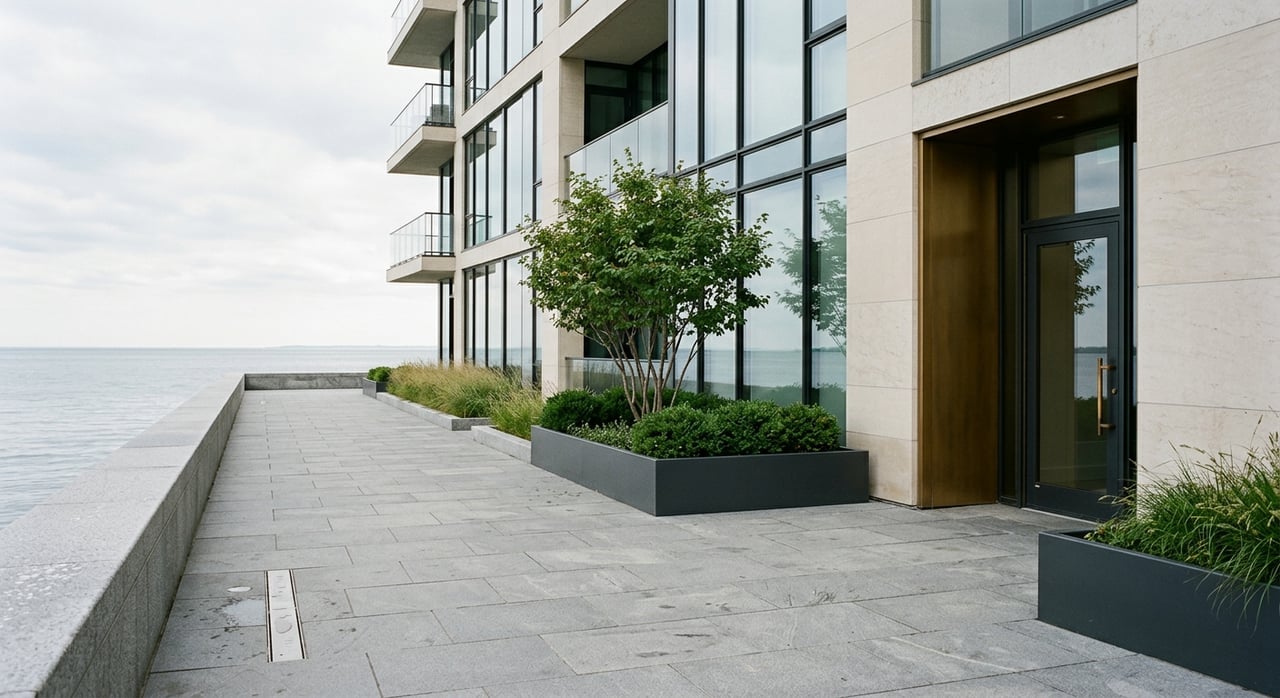
If you picture Boston as brick sidewalks, brownstones, and quiet side streets, the Seaport District will likely surprise you. This part of the city feels newer, denser, and more waterfront-driven than many of Boston’s older neighborhoods. If you are wondering whether that energy matches the way you want to live, this guide will help you understand what day-to-day life in Seaport really looks like. Let’s dive in.
Seaport at a glance
Boston’s Seaport District, often called the South Boston Waterfront, is a newer mixed-use waterfront neighborhood that grew from land once used largely as surface parking. Today, it blends residential towers, offices, hotels, restaurants, retail, and public spaces, while some marine-industrial uses still remain near the port, Flynn Marine Park, and the Fish Pier.
That evolution helps explain why the area feels active throughout the day and into the evening. According to City of Boston planning materials, the South Boston Waterfront is projected to reach roughly 31,000 residents and 89,000 jobs by 2030.
How Seaport feels different
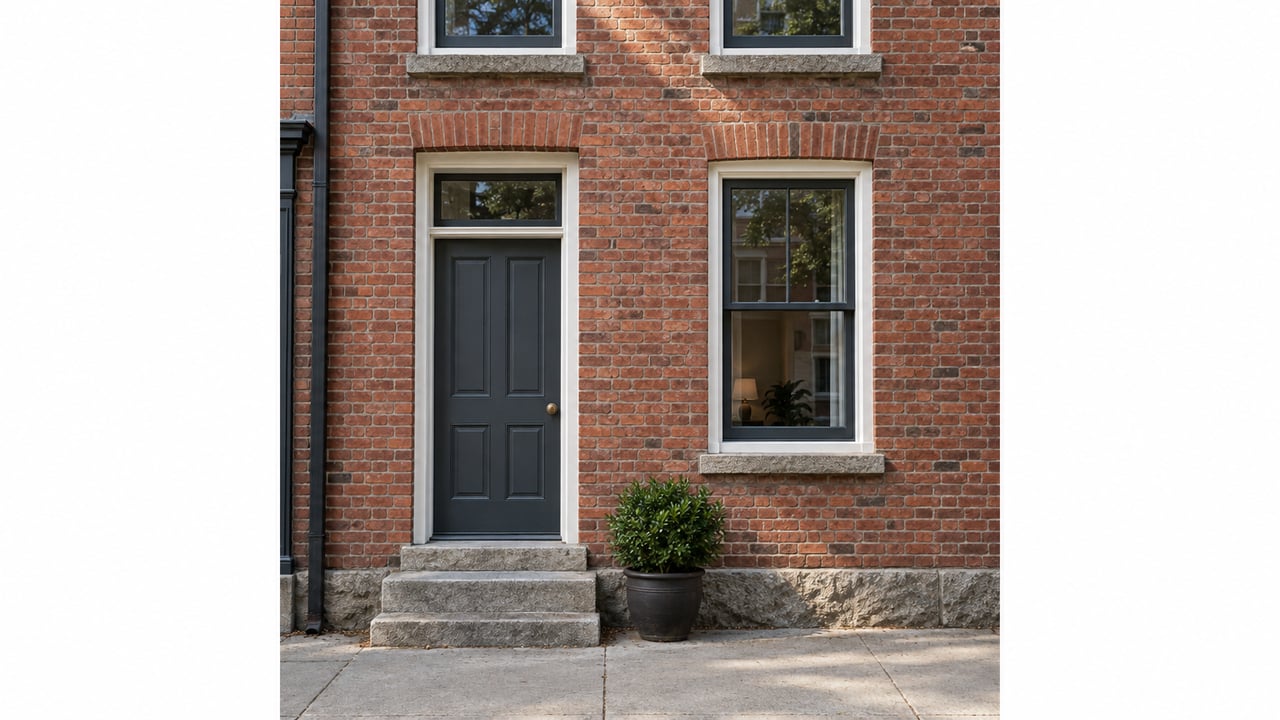
If you are comparing Seaport with older Boston neighborhoods, the contrast is pretty clear. Seaport is more high-rise, more polished, and more commercial in feel, while places like the South End and Back Bay are known for historic homes, older street patterns, and more traditional residential character.
The City of Boston’s South End overview highlights Victorian brownstones, parks, and a dense restaurant scene. By comparison, Seaport delivers a more modern lifestyle centered on newer construction, waterfront access, and buildings with extensive amenities.
Housing in Seaport
Newer condos lead the market
In Seaport, condo living is the norm. Instead of triple-deckers or classic brownstones, you will usually find newer full-service buildings with features that appeal to buyers who want convenience and a more turnkey experience.
Recent listings in the neighborhood show a familiar pattern: floor-to-ceiling windows, concierge or doorman service, fitness centers, pools, clubrooms, terraces, garage parking, and in some cases retail or dining right at street level. That means your housing choice is often about both the unit itself and the overall building experience.
HOA fees matter here
One of the biggest practical differences in Seaport is the monthly carrying cost. HOA dues can be significant, and they vary widely depending on the building, amenities, and unit size.
Recent listing examples showed monthly HOA fees of about $1,410, $1,977, $4,038, and even $7,620 for a penthouse residence. In many cases, these fees cover items like water, heat, gas, insurance, security, maintenance, trash, elevator service, and amenity access.
For buyers, that means it is smart to look beyond the purchase price. In Seaport, your real monthly budget often depends just as much on building fees as it does on your mortgage.
Pricing is firmly luxury-leaning
Seaport is not usually where buyers look for entry-level Boston pricing. Recent examples in the area included two-bedroom condo listings around $1.575 million and $1.999 million, along with a three-bedroom penthouse at 50 Liberty listed at $14.995 million.
Even smaller homes in newer buildings often fall into the seven-figure range. If you are considering Seaport, it helps to go in knowing this is a premium market where newer construction and full-service living come at a premium price.
Daily life in Seaport
Waterfront living is central
The waterfront is not just a backdrop here. It is a big part of daily life. If you enjoy walking, biking, or spending time outdoors, Seaport gives you easy access to public spaces and routes that connect this neighborhood with other parts of the city.
The South Bay Harbor Trail project links the South End, South Boston, and the waterfront through a 3.5-mile walking and biking route. Boston says the trail is designed to connect residents with jobs, transit, and cultural destinations, which adds to the area’s appeal if you want an active, connected city lifestyle.
Parks and public spaces add flexibility
Seaport also benefits from public open space that supports everyday use. Martin’s Park at 64 Sleeper Street offers climate-resilient open space for visitors of all abilities, and the city has also improved pedestrian wayfinding between local destinations such as South Station, Lawn on D, Flynn Cruiseport, and Moakley Courthouse.
That may sound small, but it shapes the experience of living here. In a neighborhood with lots of visitors, events, and newer development, good navigation and public realm improvements can make day-to-day movement much easier.
Dining and events are part of the lifestyle
One of Seaport’s strongest draws is how much is happening nearby. According to Seaport TMA’s neighborhood overview, the district has grown into a hub for shopping, art, restaurants, concerts, and pop-up markets.
That creates a lifestyle that feels social, convenient, and highly programmed. You can find recurring events, seasonal markets, and neighborhood activities throughout the year, including offerings highlighted by the Seaport Hotel and district event calendars. Boston Seaport holiday market coverage, for example, noted more than 120 local and small businesses, along with live music and food-and-drink vendors.
For some buyers, that constant activity is a major plus. For others, it may feel more curated and commercial than the quieter rhythm of a more traditional residential neighborhood.
Getting around Seaport
Transit works, but it is different
Seaport has public transportation access, but it does not function like a classic subway-stop neighborhood. The area is more dependent on buses, the Silver Line, ferries, and walking than many buyers first expect.
According to Seaport TMA transportation information, the neighborhood is served by the Silver Line Waterfront, including SL1, SL2, and SL3, along with stops at Silver Line Way, Courthouse, and World Trade Center. Bus routes 4, 7, 9, 11, and 47 also serve the area.
There are also commuter ferry connections between Seaport and North Station or East Boston, plus year-round water taxi options. The City of Boston has also highlighted a new commuter ferry stop at Pier 10, which improves access to the South Boston Waterfront.
Parking needs extra attention
If you own a car or plan to, parking is an important part of the conversation in Seaport. The area’s continued growth is putting pressure on the transportation network, and Boston continues to manage parking carefully.
The city’s Summer Street report notes that growth in the South Boston Waterfront is creating pressure on transportation. It also matters that the South Boston parking freeze limits off-street parking spaces, so buyers should confirm whether parking is deeded, rented, or sold separately from the condo.
In practice, even luxury buildings may have limited or expensive parking. If a car is essential to your routine, this is a detail worth reviewing early.
Flood risk and resilience matter
Living on the waterfront comes with clear lifestyle perks, but it also comes with practical long-term questions. South Boston is one of Boston’s more flood-exposed waterfront areas, and climate resilience should be part of any Seaport buying decision.
The city’s Resilient Boston Harbor initiative emphasizes the need for resilient open spaces, prepared buildings, and stronger infrastructure in South Boston. Earlier city climate materials also identify South Boston as having among the greatest exposure and potential losses from coastal flooding across sea-level-rise scenarios.
For buyers, that means it is wise to ask focused questions such as:
- How is the building addressing flood mitigation?
- What elevation and resilience features are in place?
- How are critical systems protected?
- What should you know about insurance, maintenance, and long-term planning?
Views and amenities matter, but so does understanding how a building is preparing for long-term waterfront conditions.
Who Seaport fits best
Seaport can be a strong fit if you want:
- Newer construction
- Full-service condo amenities
- Walkable access to dining and events
- A modern waterfront setting
- Multiple mobility options, including Silver Line and ferry access
It may be a weaker fit if you prioritize:
- Historic architecture
- Lower monthly carrying costs
- A quieter, more settled residential atmosphere
- More traditional Boston streetscapes
That is why buyer guidance matters here. The right fit is not just about whether Seaport is popular. It is about whether its pace, housing stock, and cost structure align with how you want to live.
Final thoughts on Seaport living
Boston’s Seaport District offers a very specific version of city living. It is modern, amenity-rich, waterfront-oriented, and highly active, with housing that leans luxury and a neighborhood experience shaped by restaurants, public spaces, events, and ongoing growth.
If that sounds like your style, Seaport can be a compelling place to buy. If you want help weighing Seaport against other Boston neighborhoods and figuring out which option best matches your budget, priorities, and day-to-day routine, connect with Colleen Kelly for a personalized strategy conversation.
FAQs
What is it like living in Boston’s Seaport District day to day?
- Living in Seaport often means a busy, walkable routine centered on newer condo buildings, waterfront access, restaurants, events, and public spaces rather than the quieter feel of a traditional brownstone neighborhood.
What types of homes are common in Boston’s Seaport District?
- The neighborhood is dominated by newer condo towers and full-service residential buildings, often with amenities like concierge service, fitness centers, pools, lounges, and garage or valet parking.
Are HOA fees high in Boston’s Seaport District?
- HOA fees can be substantial in Seaport, with recent examples ranging from about $1,410 per month to several thousand dollars per month depending on the building and unit.
Is public transportation convenient in Boston’s Seaport District?
- Public transit is workable, but Seaport is more bus-and-ferry oriented than a classic subway-stop neighborhood, with Silver Line service, several bus routes, commuter ferries, and water taxis.
What should buyers know about climate risk in Boston’s Seaport District?
- Buyers should understand that South Boston is one of the city’s more flood-exposed waterfront areas, so it is important to ask about building resilience, flood mitigation, and long-term preparedness.
Is Boston’s Seaport District a good fit for every buyer?
- Seaport is often a strong fit for buyers who want newer construction, amenities, and a lively waterfront setting, but it may be less appealing if you prefer historic homes, lower carrying costs, or a quieter residential feel.