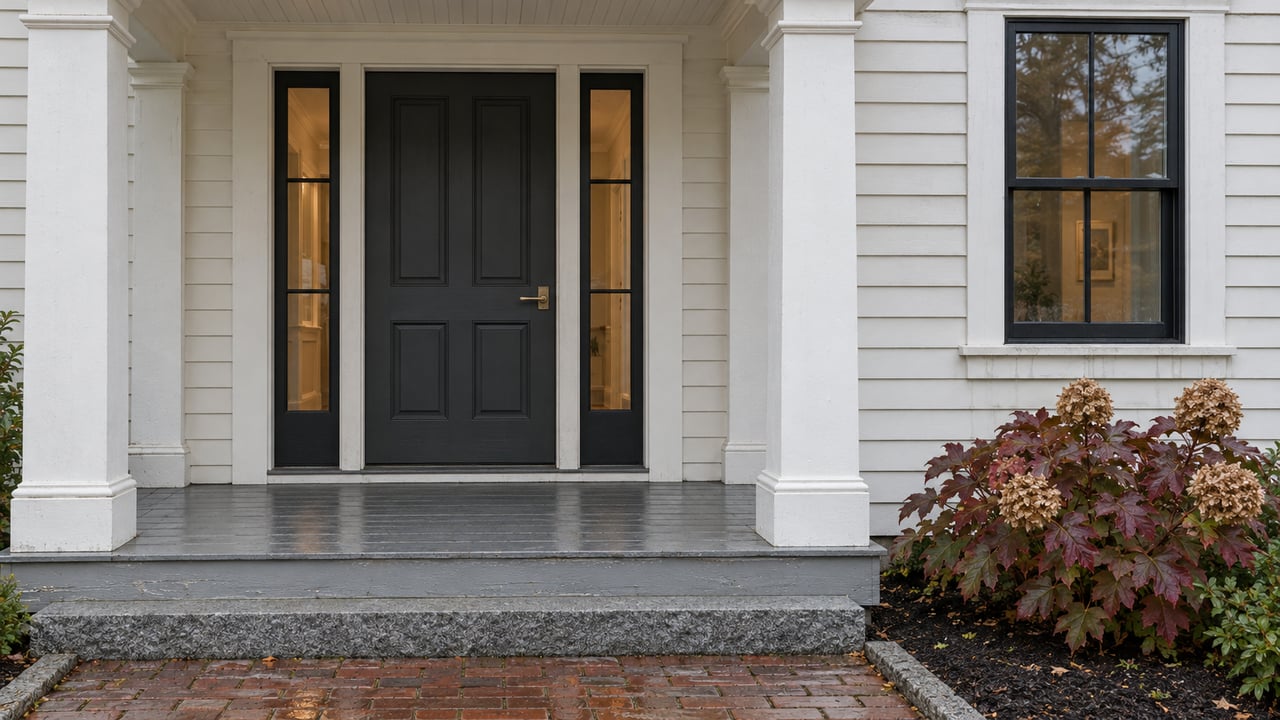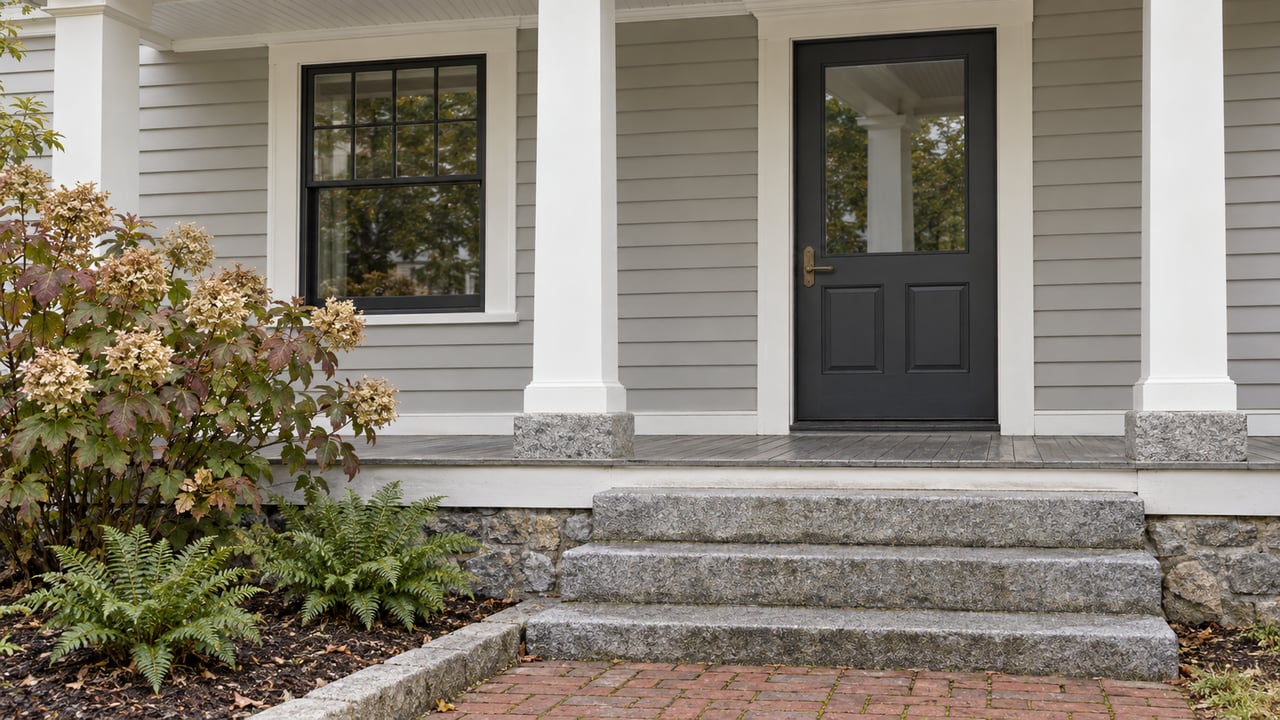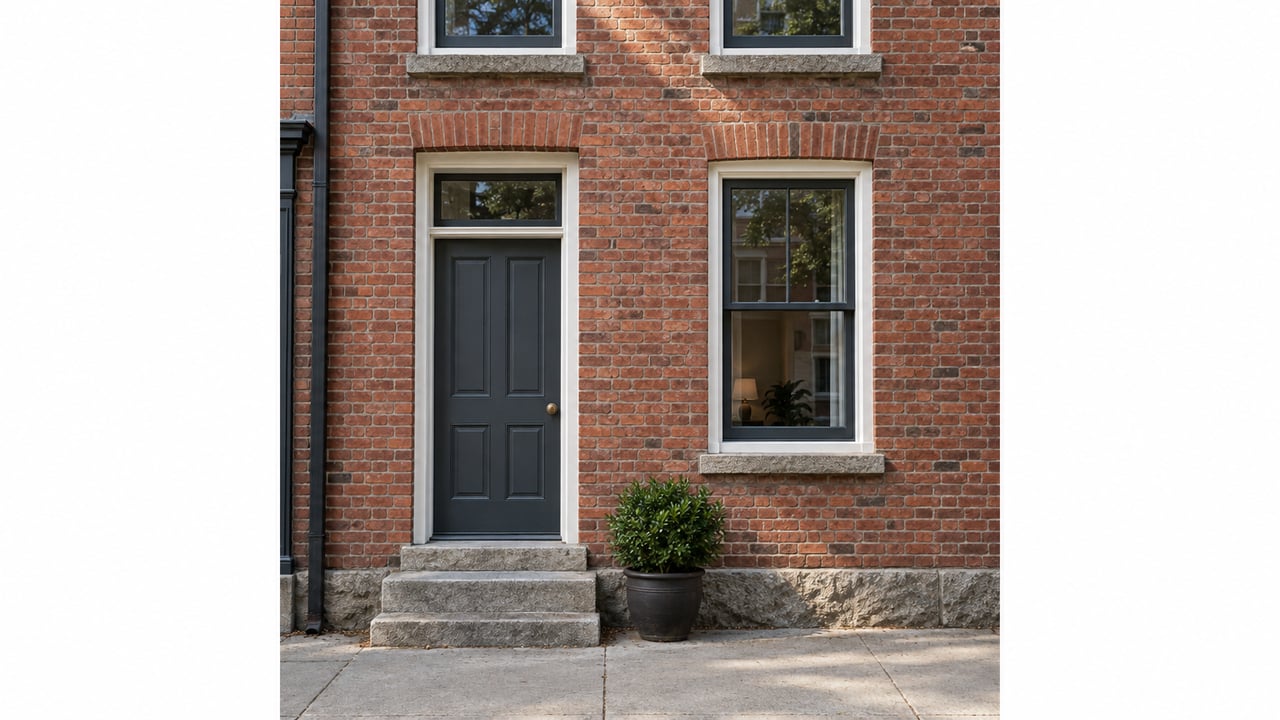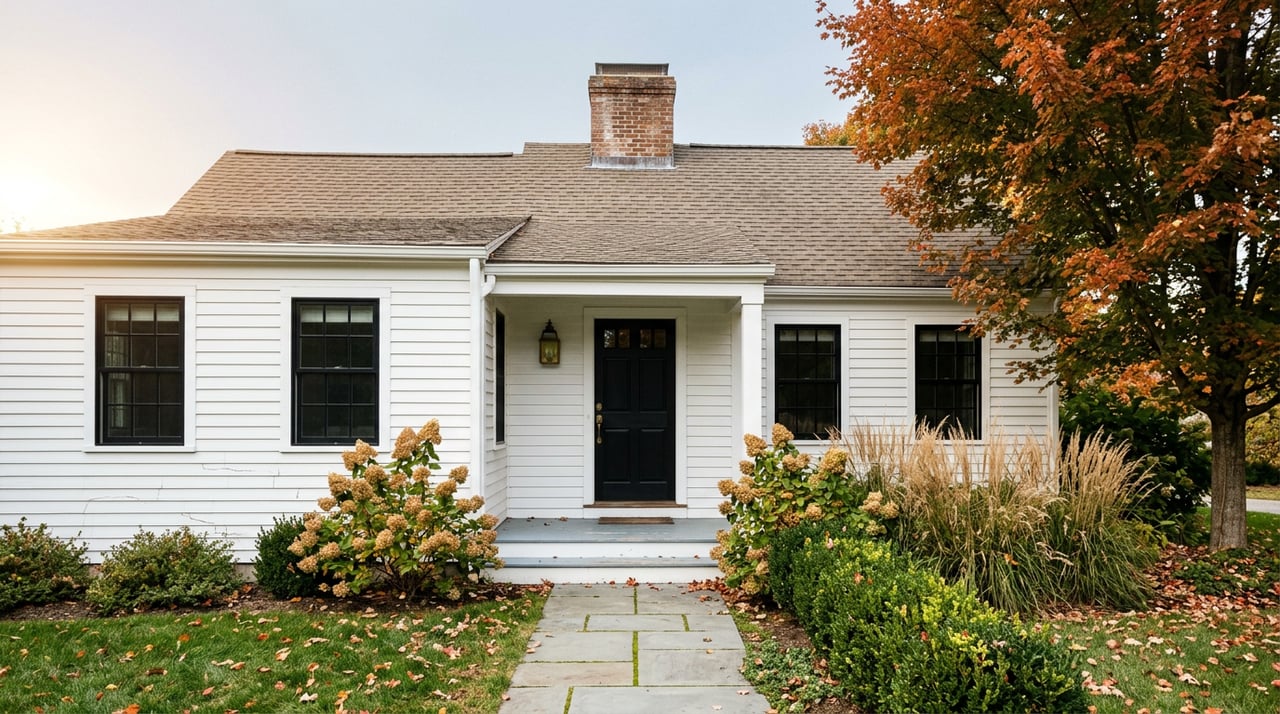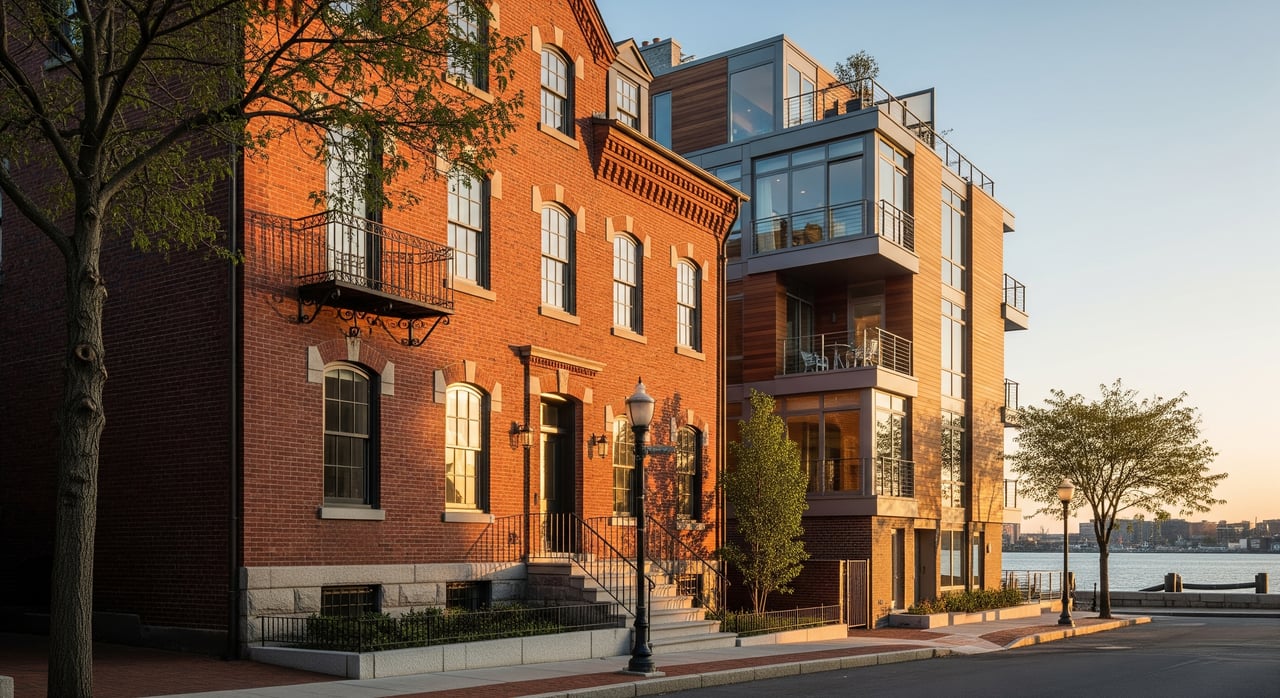
Staring at two South Boston listings and wondering which path is smarter: a shiny new build or a character-filled conversion? You are not alone. Southie offers both in almost every price band, which makes the choice exciting and a bit confusing. In this guide, you will learn how new-construction condos and converted buildings compare on HOA fees, finishes, assessment risk, parking, financing, and resale. Let’s dive in.
South Boston condo landscape
South Boston is a dense, mostly residential neighborhood with strong buyer demand. You will find rowhouses, brick multifamily buildings, industrial conversions, and a steady flow of mid-rise new-construction projects. Many buyers choose Southie for walkability, access to the MBTA Red Line and bus routes, and proximity to the Seaport and downtown. Street parking can be tight, so parking and transit trade-offs matter.
HOA fees and operating budgets
New builds often carry higher HOA fees, especially when they include amenities like elevators, secure lobbies, roof decks, gyms, or on-site management. Developers sometimes subsidize fees during the initial sales period, which can make early numbers look low. After turnover to owners, expect fees to adjust to realistic operating costs and reserves.
Conversions typically have lower monthly fees when there are fewer amenities and smaller common spaces. Older buildings can also mean deferred maintenance, so lower fees today may become special assessments tomorrow. Smaller associations have less cushion, which can amplify the impact of a major repair.
What to request:
- Current budget, line-item expenses, and recent bank statements.
- Reserve study or written capital plan.
- Meeting minutes for the last 12 to 36 months and a list of past or pending assessments.
Finishes, systems, and maintenance
New builds usually offer modern layouts, integrated appliances, efficient HVAC, better insulation, and up-to-date life-safety systems. You will often see builder warranties for workmanship and sometimes limited structural coverage. Near-term capital costs can be lower since mechanicals are new, but finish quality varies by builder and price point.
Conversions can deliver unique layouts, exposed brick, and architectural character. Behind the charm, you may find older roofs, windows, boilers, and electrical or plumbing that need upgrades. Plan for potential retrofit costs like insulation improvements and system replacements.
Inspection focus for conversions:
- Roof condition, chimneys, and exterior envelope.
- Plumbing risers, electrical service capacity, and common heating systems.
- Fire safety systems, egress, and any elevator service records.
Assessments and reserve risk
New builds tend to have lower immediate capital demands, but the first few years are critical. Initial reserves may be modest and developer subsidies can end, which causes HOA fees to rise after turnover. Review how the budget transitions once owners take control.
Conversions carry higher risk of special assessments if capital items were deferred before the conversion. Added residential loads can also stress older systems. Small associations are more exposed, since one large repair spreads across fewer owners.
Best practices:
- Review 3 to 5 years of assessment history and any capital plan.
- Check owner delinquency rates and any active or threatened litigation.
- Ask for timelines and cost estimates for planned projects.
Parking and transportation
Street parking in South Boston is limited and permit rules vary by block. Many buyers value deeded or assigned off-street parking, which often commands a premium. Proximity to the Red Line and bus routes can reduce car dependence, but parking remains a lifestyle and resale driver.
New builds are more likely to include structured or deeded parking, sometimes sold separately from the unit. Conversions often lack deeded spaces, or they may only have limited garage or tandem spots.
Action items:
- Verify deeded parking in the master deed or unit deed.
- Ask about guest parking, EV charging rules, and any parking wait lists.
- Confirm City of Boston residential permit eligibility for the specific block.
Financing, insurance, and buyer pool
Some loan programs require condominium project approval or strict project criteria. Lenders review HOA financials, litigation, owner-occupancy rates, and the percentage owned by a single entity. Older conversions or small associations may not meet certain program standards, which can narrow the buyer pool.
Insurance considerations differ by building type. Newer buildings have modern fire protection and clearer replacement values. Older buildings can see higher premiums due to aging systems or nonstandard construction.
What to check early:
- Your lender’s condo checklist and any project-approval requirements.
- HOA delinquency rates, litigation, and ownership concentration.
- Insurance coverage scope and deductibles for the master policy.
Resale and long-term value
New builds are easier to market to buyers who want move-in ready spaces and amenities. The trade-off is higher monthly HOAs, which can limit price-sensitive buyers. If several similar new projects list at once, near-term pricing can be competitive.
Conversions can win on character, larger room sizes, and the potential to undercut new-build price per square foot. Financing constraints, limited parking, or looming capital needs can shrink the buyer pool and affect resale. Your long-term value depends on the building’s financial health and location within South Boston.
Local resale drivers to weigh:
- Deeded parking and EV readiness.
- Walkability and access to the Red Line and bus routes.
- Proximity to the Seaport and downtown.
- Upcoming inventory in nearby projects.
Legal and governance considerations
During initial sales, developers often control the association. You should review turnover timing, transition documents, and the budget that takes effect after turnover. In Massachusetts, the Condominium Act governs condo formation and owner rights, so a condo-savvy local attorney is a smart addition to your team.
Documents to scrutinize:
- Master deed, declaration, bylaws, and rules and regulations.
- Current budget, reserve study, and meeting minutes.
- Any disclosures related to litigation or building defects.
Due-diligence checklist for Southie buyers
Use this list before you write an offer so you understand true costs and risks.
Documents and financials
- Current-year budget, last 2 to 3 years of operating statements, and recent bank statements.
- Reserve study or written capital plan and explanations for expected capital items.
- Minutes for the past 12 to 36 months and a list of past or pending assessments.
- Master deed, declaration, bylaws, and condo rules.
- Developer warranty details for new builds, including scope and length.
Physical condition
- Independent home inspection, plus building-level review for roof, envelope, risers, heating, and fire safety.
- Elevator maintenance contracts and logs if applicable.
- Recent inspection or certification records for life-safety systems.
Parking and permits
- Deeded parking verified in the master deed or unit deed.
- Guest parking policies and any EV charging rules or ownership structure.
- City of Boston residential parking permit eligibility for your address.
Financing and legal
- Early confirmation of loan program eligibility and any project-approval needs.
- Title review for liens or easements.
- Litigation check involving the association.
Resale and comps
- Recent comparable sales in-building and within two blocks.
- Days-on-market trends for similar units and parking premiums.
Which option fits your goals
There is no universal winner. If you value amenities, modern systems, and a low-maintenance start, a new build may fit best, provided you budget for HOA adjustments after turnover. If you want character, flexible pricing, and you are comfortable planning for upgrades, a well-managed conversion could offer strong value. In South Boston, deeded parking, transit access, and association health are often the tie-breakers.
If you want a clear, data-informed path to the right Southie condo, let’s talk about your must-haves, risk tolerance, and timeline. Reach out to Colleen Kelly for local guidance, smart negotiation, and a calm, concierge-level buying experience.
FAQs
What should I expect from HOA fees in South Boston new builds?
- New builds often start with developer-influenced budgets, then fees rise after owner turnover to cover full operating costs and reserves.
How risky are special assessments in older South Boston conversions?
- Risk is higher if capital items were deferred or the association is small, so review assessment history, capital plans, and reserves closely.
How does parking affect value for South Boston condos?
- Deeded parking is a major value and liquidity driver, while limited street parking and permit rules make off-street spaces especially desirable.
Will financing be harder in small South Boston condo associations?
- It can be, since some loan programs require project approvals and specific metrics on reserves, owner occupancy, and litigation.
What condo documents should I review before buying in Southie?
- The master deed, declaration, bylaws, rules, current budget, reserve study, recent minutes, assessment history, and any litigation disclosures.