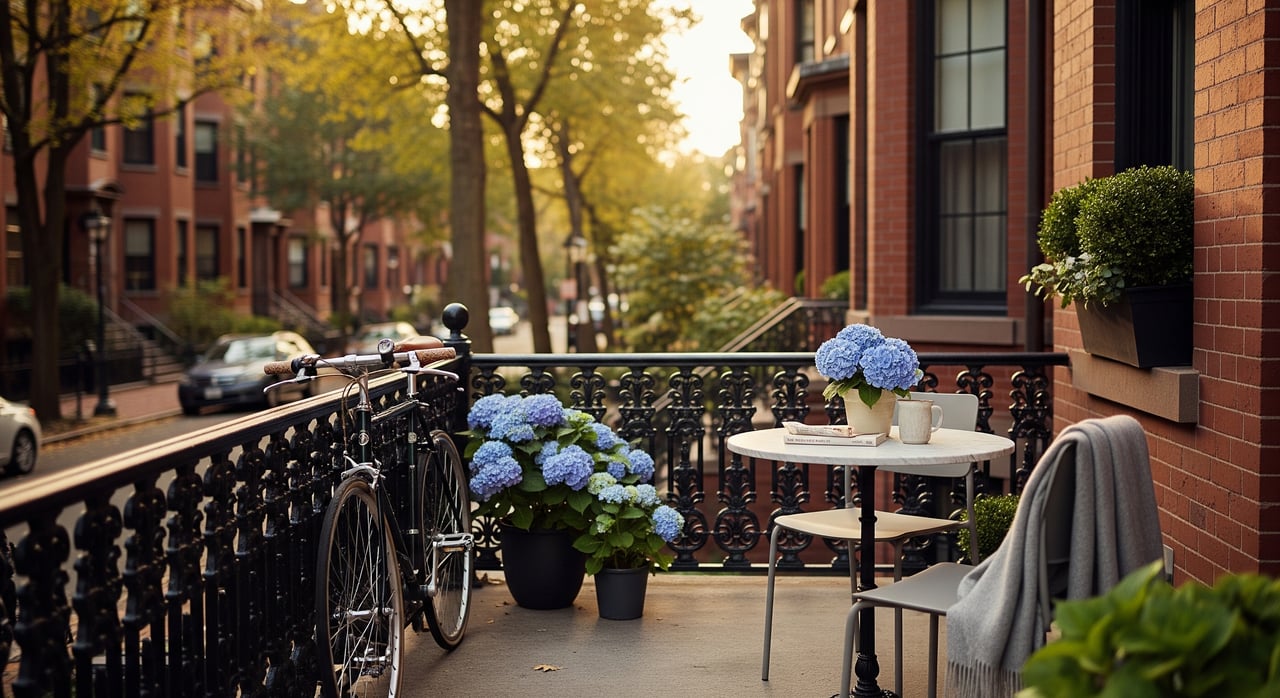
Wake up to birdsong, grab coffee, and take a quick loop around Jamaica Pond before work. That is a pretty normal morning in Jamaica Plain, where city living meets serious green space. If you want a neighborhood that blends walkable streets, community energy, and easy transit with real parks, you will feel at home here. In this guide, you will learn what day-to-day life looks like in JP, how you get around, what kinds of homes you will find, and practical tips for buying or selling in the neighborhood. Let’s dive in.
What living in JP feels like
You will notice JP’s mix right away. Dense, walkable blocks open onto major parks, and you will see longtime residents, young professionals, and households at many stages all sharing the sidewalks. The neighborhood is part of the City of Boston in Suffolk County, and it stretches from the Fenway and Back Bay edge down toward West Roxbury, with Mission Hill and Roxbury nearby. It has a strong community identity, active local groups, and a down-to-earth vibe.
JP’s rhythm is urban-residential. Centre Street is lined with cafes, restaurants, and daily services. Side streets hold triple-deckers, Victorians, and condo conversions. The result is a neighborhood that feels lively during the day and at ease on evenings and weekends.
Parks shape the day
JP sits inside Frederick Law Olmsted’s famed greenway, the Emerald Necklace. These connected parks are a big part of why people choose this neighborhood. If you value daily access to trails, playgrounds, and water views, you will use them often. Learn more about the park system through the Emerald Necklace Conservancy.
Jamaica Pond
Jamaica Pond is a quiet anchor with a popular loop for walking and running. On warm days, you will see rowing and casual boating. Streets around the pond are scenic, and many residents build a quick lap into their routine. It is a year-round spot for fresh air.
Arnold Arboretum
Operated by Harvard, the Arnold Arboretum is open to the public and offers curated collections of trees and shrubs, gentle hills, and wide paths. You can stroll, run, or bring visitors for a low-key afternoon among the collections. Seasonal blooms, fall color, and community events make it a favorite. Many buyers put proximity to the Arboretum high on their wish list. In May the Arboretum hosts the "Lilac Festival" and it's typical around Mother Days. Lots of visitors from all over the city come and enjoy the beautiful lilacs, the food trucks and meeting new people.
Southwest Corridor and nearby parklands
The Southwest Corridor Park connects JP to downtown with a ribbon of bike and walking paths, playgrounds, and fields. It supports bike commuting and weekend rides without mixing with heavy traffic. You are also close to Forest Hills Cemetery and the Franklin Park landscape, which add trails and open space to the mix.
Main streets and daily convenience
Centre Street
Centre Street is JP’s everyday backbone. You will find coffee shops, independent restaurants, small markets, fitness studios, and service businesses. It is built for errands on foot, so you can grab groceries and a haircut in one loop. The street comes alive on weekends and during neighborhood events.
Hyde and Jackson Squares
Hyde Square and Jackson Square function as cultural and dining hubs. You will see small businesses, cafes, and venues that draw regulars from across the neighborhood. These nodes give JP its wider variety of food and local arts.
Groceries, health, and services
JP has a mix of small grocers and regional chains, like Whole Foods, Cafe Nero, Dunkin in and near the neighborhood. Healthcare clinics and small medical practices operate locally, while major hospitals across Boston are reachable by transit. Community nonprofits and civic groups are active and visible around the squares and along Centre Street.
Getting around
Orange Line access
The MBTA Orange Line runs through JP with stations at Forest Hills, Green Street, Stony Brook, and Jackson Square. Many riders reach downtown destinations in roughly 15 to 25 minutes, depending on station and time of day. Check current schedules and service alerts on the MBTA Orange Line page for precise trip planning.
Bus, bike, and walking
Multiple bus routes connect JP to nearby neighborhoods, medical centers, and other subway lines. The Southwest Corridor and park loops support safe bike routes for short commutes or errands. Most commercial blocks are highly walkable, with crossings and amenities spaced for daily use.
Parking and permits
On denser streets, parking can be competitive, especially near commercial areas and park gateways. Parts of JP fall within resident permit zones. If parking is a priority, confirm on-site spaces, deeded spots, or permit eligibility. You can review resident parking rules through the City’s guide to resident parking permits.
Homes and architecture
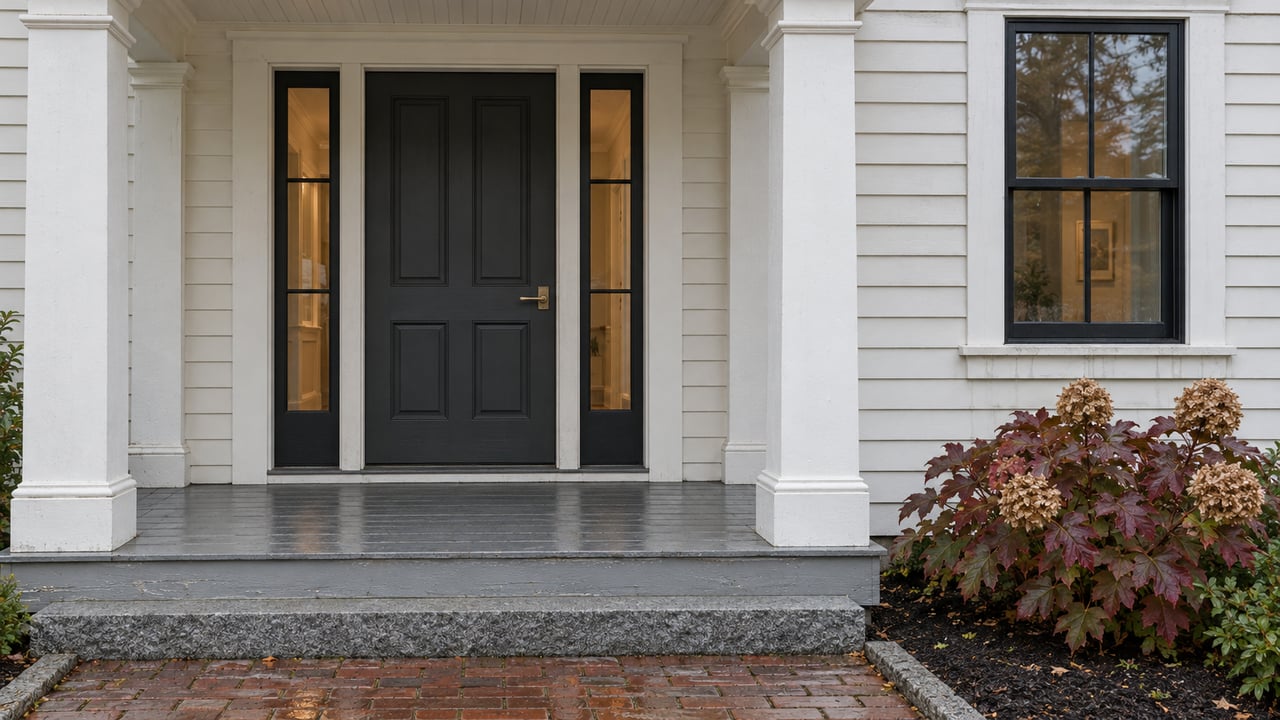
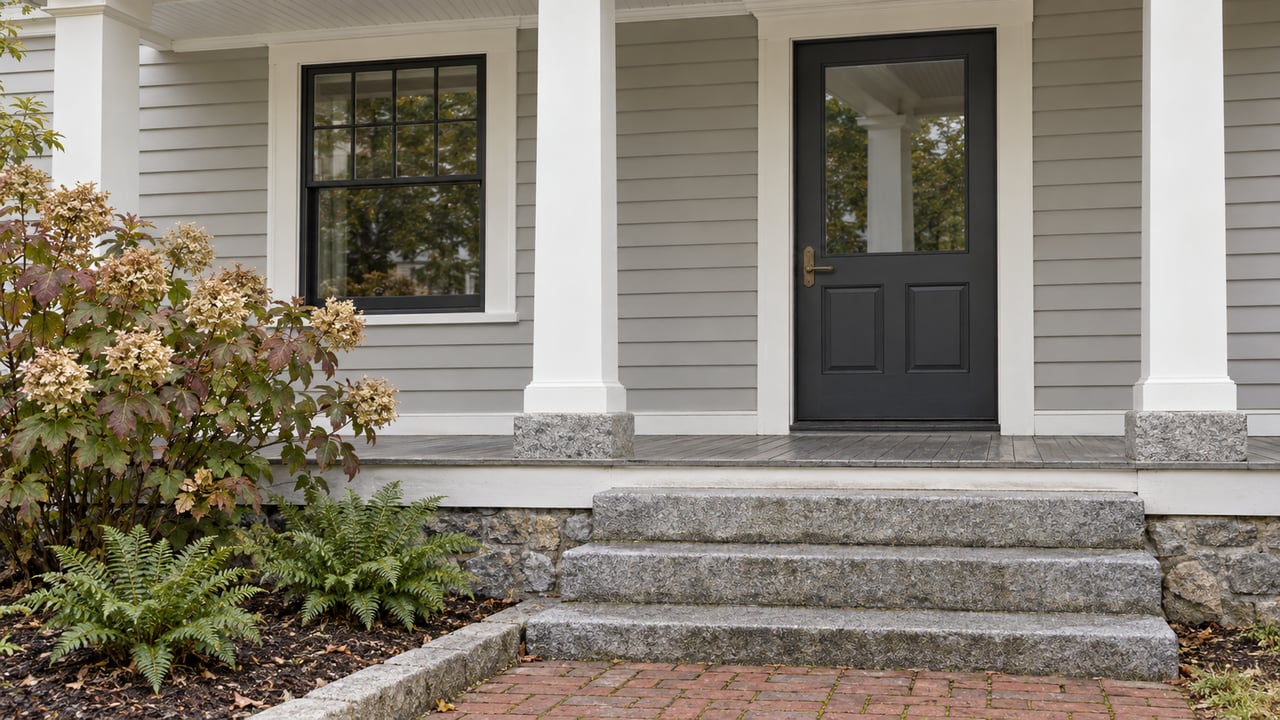
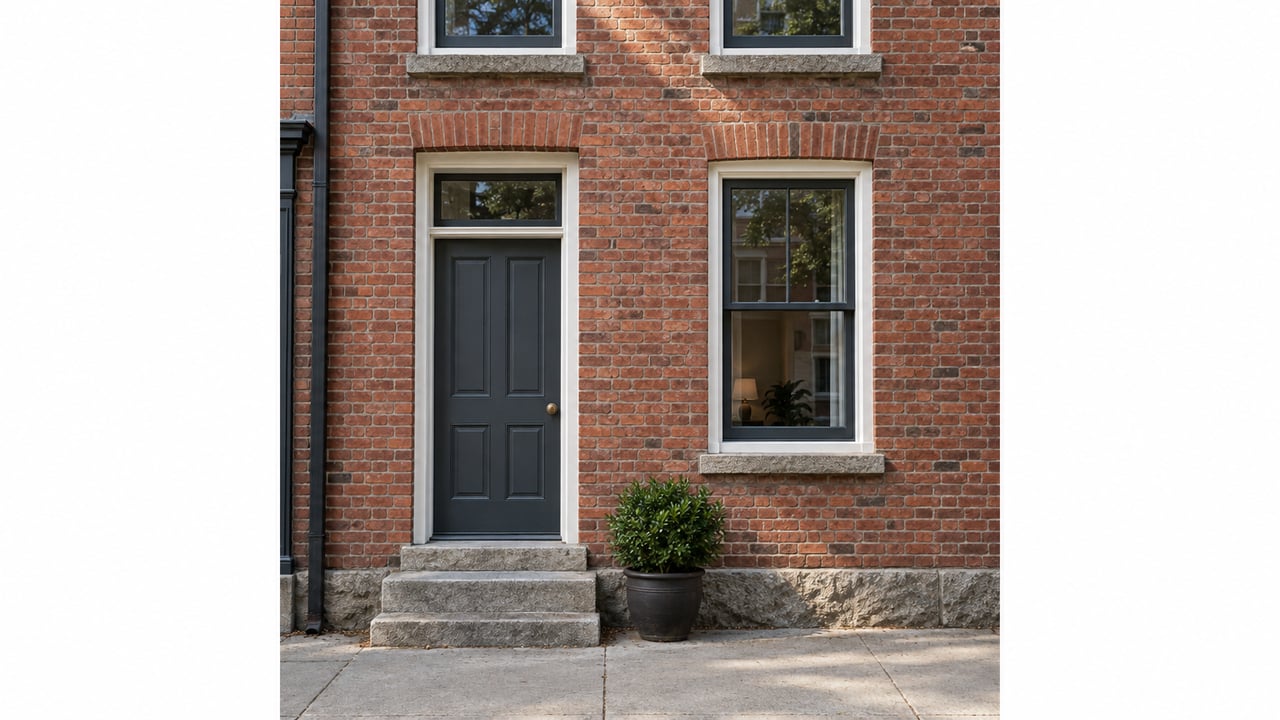
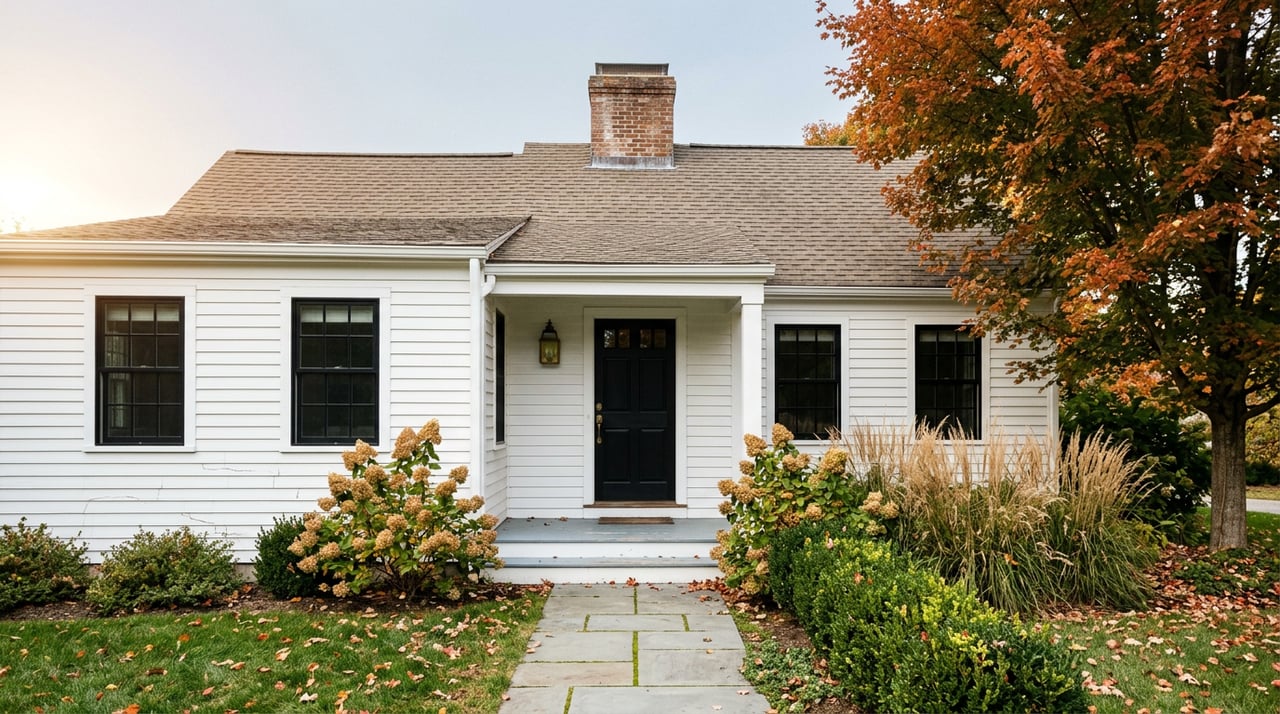
JP’s housing stock ranges from classic triple-deckers to Victorian-era single-family homes, brick walk-ups, and a growing number of condo conversions. You will also find small-lot single-family homes on quieter blocks and larger houses near the pond and the Arboretum. Variety is the norm, even on the same street.
Most buildings are older, often late 19th to early 20th century. That charm can come with updates to plan for, such as roofing, windows, insulation, heating systems, and electrical. Some areas include historic or conservation overlays that shape what you can change on the exterior. If you are planning a renovation, review Boston’s guidance on zoning and permitting early in the process.
For sellers, original details like woodwork and period trim remain strong listing features. For buyers, a pre-offer inspection strategy and realistic scope for improvements are key. Many JP buyers balance walkability and green space with a plan to update systems or finishes over time.
Practical tips for buyers and sellers
- Prioritize parks or transit. If you want daily park time, focus on Jamaica Pond, the Arboretum, and the Southwest Corridor. If you want an easy commute, look near Orange Line stations and bus corridors.
- Check overlays and permits. Historic and conservation considerations can affect exterior work. Verify requirements through Boston’s zoning and building rules before you commit to a timeline.
- Evaluate building age and systems. Expect older wiring, insulation, or heating in many properties. Budget for improvements that boost comfort and energy efficiency.
- Consider park adjacency tradeoffs. Park-proximate homes often attract more demand and may carry a premium. They can also see heavier foot traffic and parking pressure during events.
- Plan for parking. Confirm on-site or deeded spaces, and review permit eligibility early. Street-parking rules vary by block.
- Use current data. For population, housing tenure, and income trends, consult the City of Boston neighborhood profiles and the U.S. Census American Community Survey.
A day in JP
Start with a sunrise lap around Jamaica Pond. Grab coffee and a pastry on Centre Street, then walk home through tree-lined blocks. After lunch, wander the Arboretum’s paths or take the kids to a playground along the Southwest Corridor. In the evening, meet friends for dinner in Hyde Square, then stroll back as the neighborhood winds down.
Where to research more
- City stats and neighborhood basics. The City of Boston neighborhood profiles summarize local services, amenities, and City programs.
- Census data. Use the U.S. Census American Community Survey for up-to-date demographic and housing data.
- Transit updates. Check MBTA Orange Line schedules and alerts before your commute.
- Parks and programming. Explore events and history via the Emerald Necklace Conservancy and visit the Arnold Arboretum for maps and programs.
- Zoning and permits. Review Boston zoning and permitting before planning renovations.
- Assessing and records. Visit the Boston Assessing Department for assessment info and property details.
Work with a local advocate
If you are buying, you want local intel on micro-locations, building age, and how to win in a competitive market. If you are selling, you want hands-on preparation, design-forward updates, and a pricing and negotiation plan that protects your bottom line. Colleen Kelly Homes combines neighborhood expertise with concierge-level service, renovation advisory, and market-savvy presentation so you can move with confidence. Ready to talk about your plan in Jamaica Plain or nearby neighborhoods? Connect with Colleen Kelly to schedule a free strategy call.
FAQs
Is Jamaica Plain a good fit for families?
- Many households value JP’s parks, playgrounds, and community programs for everyday life. School options and enrollment vary across Boston, so review Boston Public Schools resources and independent sites for the latest details.
How walkable and bikeable is Jamaica Plain?
- Most commercial corridors are highly walkable, and the Southwest Corridor adds protected bike paths that connect to downtown. Many residents bike for short commutes and errands.
What home types and conditions should I expect in JP?
- You will see triple-deckers, Victorians, brick walk-ups, and condo conversions. Older buildings are common, so plan for system updates and consider a thorough inspection.
How long is the Orange Line commute from JP?
- Typical trips to downtown from JP stations can be roughly 15 to 25 minutes, depending on station and time of day. Check the MBTA Orange Line for current schedules.
What should I know about parking rules in JP?
- Some blocks require resident permits and parking is tighter near commercial and park areas. Review the City’s resident parking permits to confirm eligibility and rules.
Where can I verify zoning or renovation rules for a JP property?
- Start with the City’s pages on zoning and permitting. Historic or conservation overlays may apply near parks, so confirm requirements before starting work.
How can I research neighborhood stats and recent trends?
- Use the City of Boston neighborhood profiles and the U.S. Census American Community Survey for current data. For pricing and comps, work with your agent to review MLS and public records through Boston’s assessing resources.