Thinking about buying in Somerville and wondering if a condo association or an HOA is a better fit for you? You are not alone. The terms sound similar, but the legal structure, rules, and long-term costs can feel very different once you move in. In this guide, you will learn how each model works in Massachusetts, what to review before you buy, and the tradeoffs you are likely to see between older condo conversions and newer townhouse communities. Let’s dive in.
Quick definitions in Massachusetts
What a condo association is
A condominium association in Massachusetts is created under the Massachusetts Condominium Act, known as Chapter 183A. The developer records a master deed that defines each unit, the common elements, and each owner’s percentage interest. You own your individual unit plus an undivided share of the common areas. The association manages and insures common elements and enforces rules set in the governing documents.
What an HOA or PUD is
A homeowners association in Massachusetts is not governed by a single HOA statute. Instead, it is formed by recorded covenants, conditions, and restrictions, plus corporate bylaws under nonprofit corporation law. You hold fee simple title to your lot or townhouse, and the HOA sets obligations and rules through its declaration. Governance and enforcement follow the recorded documents and nonprofit corporation guidance.
Where you see each in Somerville
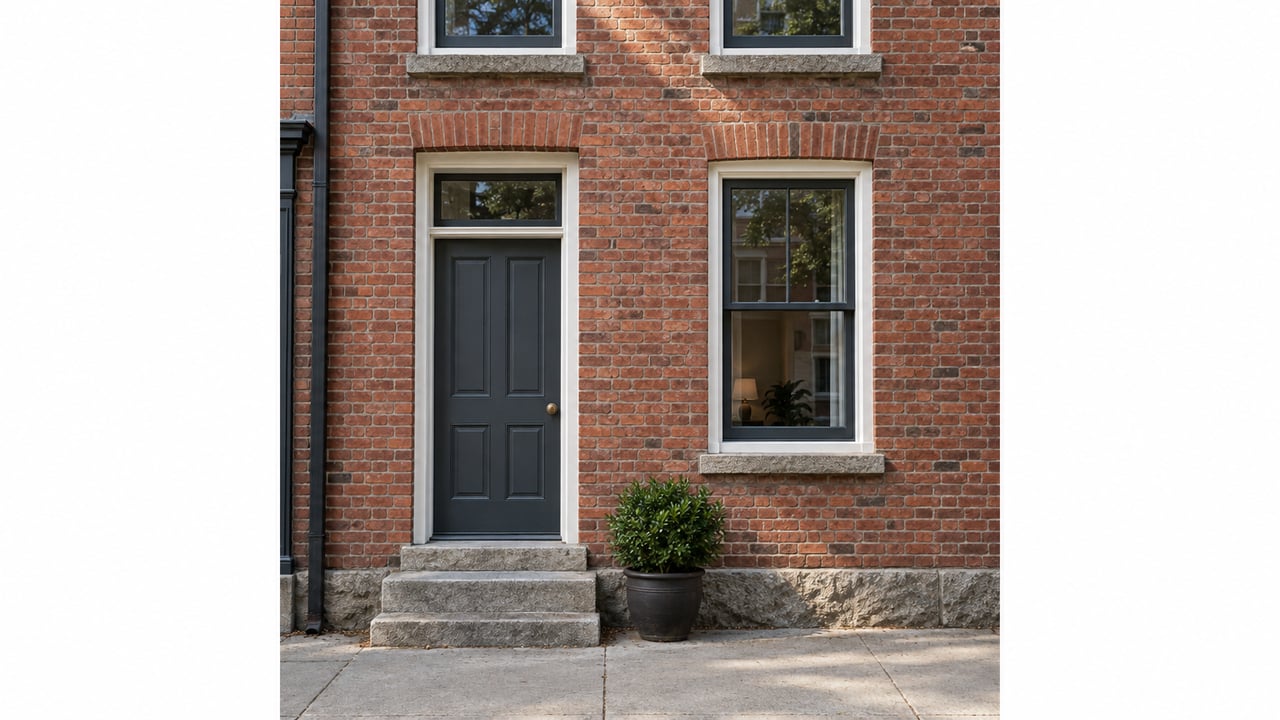
Older multifamily buildings and mid-rise conversions are commonly organized as condominiums. You will see many attached, flat-style condos across Somerville’s established neighborhoods that follow Chapter 183A. These often reflect older building systems and unique layouts.
Newer townhouse developments and planned unit developments tend to use an HOA structure. These projects may include private roads, shared landscaping, and uniform exterior standards managed by an HOA. You may also see mixed-use sites where residential blocks sit alongside small commercial space under a larger plan.
Ownership and responsibilities
Who owns what
In a condo, you own your unit and share ownership of the common elements with other owners. The master deed and condominium plan describe unit boundaries and list any exclusive use areas. In an HOA, you own your home and lot, and the association owns or maintains common facilities such as private ways or landscaped areas.
Insurance and maintenance
Condo associations typically carry a master property policy for the building’s common elements. Coverage can be “all-inclusive” or “bare walls” and your unit policy fills the gap. In HOAs, insurance responsibilities vary by declaration. Always confirm what structural elements the association insures and what you must insure yourself. For a high-level overview of common association practices, the Community Associations Institute is a helpful resource.
Governance and rules that affect daily life
Voting power in condos is often tied to each unit’s allocated interest. Major changes and amendments can require supermajority votes as defined in the master deed or bylaws. In HOAs, voting rules and amendment thresholds are set by the declaration and can differ widely.
Both condos and HOAs can levy assessments and enforce rules if their documents allow it. Expect fines and collection processes to be defined in the bylaws or rules, including notice and hearing procedures. Ask how violations are handled and whether there is an appeal process.
Management style matters to your daily experience. Some communities are self-managed, which can keep fees lower but requires active owner participation. Others hire professional managers, which brings standardized systems, vendor networks, and sometimes higher costs.
Fees, reserves, and red flags
Monthly or quarterly fees often cover exterior maintenance, snow removal, common utilities, insurance for common areas, landscaping, trash, janitorial services, and management. In some HOAs, utilities are separately metered and paid by each owner. Review how your community allocates shared costs and whether any services are optional.
Reserve funds pay for long-term capital items like roofs, boilers, paving, or façade work. Best practice is a formal reserve study with a funding plan. When reserves are low relative to upcoming needs, special assessments become more likely.
Watch for these red flags:
- Minimal reserves and no reserve study
- Repeated or large special assessments
- High delinquency rates among owners
- Ongoing or threatened litigation or insurance disputes
- Unclear maintenance responsibilities between owners and the association
- Frequent management turnover or unresolved common-area repairs
What to review before you buy
Core recorded documents
Request the master deed and recorded plans for condos, or the declaration and all recorded amendments for HOAs. These define what you own, how the community operates, and your obligations. You can locate recorded documents through Massachusetts Land Records.
Governing documents and rules
Ask for bylaws, rules and regulations, and articles of incorporation if the association is a corporation. Look for any special agreements such as parking assignments, pet policies, or exclusive use areas. Confirm how short-term rentals and longer leases are handled and how those rules are enforced.
Financial health checklist
Review the current budget, recent budgets, and year-to-date actuals. Ask for the most recent reserve fund statement or a reserve study, plus audited or accountant-prepared financials if available. Request the delinquency report to see what percentage of owners are behind on fees.
Insurance and risk
Obtain the master property insurance declarations page with limits and deductibles. Confirm whether the master policy is full replacement cost or bare walls. Ask for proof of Directors and Officers insurance and fidelity coverage to protect against fraud.
Governance and operations
Read the last 12 to 24 months of board and annual meeting minutes. Look for repeated special meetings, conflict patterns, or references to claims and litigation. Review the management contract if a manager is in place, including fees, renewal terms, and termination rights.
Maintenance and capital items
Ask for capital improvement history and a list of major upcoming projects. Review any warranties, especially in newer construction, and understand the timeline for developer obligations. For shared systems like boilers or roofs, confirm age and expected remaining life.
Conversion-specific items
For older Somerville conversions, request the conversion plan and any municipal approvals connected to that conversion. Review records of code upgrades at the time, including fire safety, egress, and electrical improvements. Verify unit boundaries and any easements or odd footprints that could affect maintenance.
Somerville-specific tradeoffs
Converted older condos
Many Somerville condos are in converted multifamily buildings. These homes often offer character, central locations, and unique layouts. Challenges can include older building systems, modest reserves, limited parking, and ambiguous unit boundaries that require careful review of the master deed and plans.
Newer townhouse HOA developments
Newer HOA communities tend to offer modern construction, some developer warranties, and planned reserves from the outset. Covenants may be more restrictive about exterior changes, leasing, and design standards. During the developer control period, the developer may appoint the board, so review transition provisions and warranty processes to understand how decisions are made.
Financing and resale considerations
Some lenders take a closer look at small associations, high investor concentrations, or any open litigation. Early in your process, confirm that your lender is comfortable with the specific project. If you plan to use an FHA or VA loan, determine whether the condominium requires project approval and whether it is likely to qualify under HUD condo project guidance.
Project health can affect resale and your future buyer pool. Frequent special assessments or unresolved disputes can make financing hard for new buyers. A clear reserve plan, clean financials, and stable governance support a smoother resale.
How to evaluate a specific property
Use this step-by-step approach:
- Pull recorded documents. Get the master deed and plans for condos or the HOA declaration and amendments. Use Massachusetts Land Records to verify you have the latest versions.
- Read the rules. Confirm policies on pets, renovations, leasing, and short-term rentals. Make sure the process for fines and hearings is clear.
- Analyze the budget. Compare the operating budget to actual spending. Check fee levels, reserve contributions, and any pending assessments.
- Inspect beyond the unit. Ask your inspector to look at shared systems and exterior elements where accessible. Match findings to the reserve plan and upcoming projects.
- Review insurance. Confirm the master policy type and coverage limits. Align your unit policy with the master policy to avoid gaps.
- Validate governance. Read recent minutes and ask about board stability, management changes, and any disputes.
- Confirm financing fit. Ask your lender about the project and whether any special approvals are required under Chapter 183A or lender overlays. For FHA or VA buyers, review HUD guidance.
- Use contingencies. When possible, include a contingency for reviewing association documents and financials. Build time into your offer to complete this review.
The bottom line for Somerville buyers
Both condos and HOAs can be great choices in Somerville, but they work differently under Massachusetts law. Condos rely on Chapter 183A and a master deed that sets your rights in the building’s common elements. HOAs depend on recorded covenants and corporate bylaws that govern shared facilities and appearance standards.
Focus on documents, reserves, and governance to gauge risk and fit. With the right review, you can match your lifestyle and budget to a community that supports both. If you want a clear plan for document review, inspection priorities, and negotiation strategy, connect with Colleen Kelly to schedule a free strategy call.
FAQs
What is the legal difference between a condo association and an HOA in Massachusetts?
- Condos are created and governed under Chapter 183A, while HOAs operate under recorded covenants and nonprofit corporation law without a single statewide HOA statute.
What fees usually cover in Somerville condos and HOAs?
- Fees often cover exterior maintenance, common utilities, insurance for common areas, landscaping, snow removal, trash, and management; some HOAs shift utilities to individual owners if separately metered.
How do I find the master deed or HOA declaration for a property?
- Search the address or grantor-grantee index on Massachusetts Land Records to pull recorded master deeds, declarations, plans, and amendments.
Can associations limit rentals or short-term rentals?
- Yes, if the governing documents authorize it; confirm rental caps, minimum lease terms, and any short-term rental rules along with the enforcement process in the bylaws or rules.
How do I know what the master insurance policy covers?
- Read the declarations page to see if coverage is all-inclusive or bare walls and match your unit owner policy to fill gaps; ask the association or manager to confirm deductibles and responsibilities.
Are condo or HOA fees tax deductible for a primary residence?
- They are generally not deductible for your primary home; specific cases may differ for rental or investment property, so consult a tax professional for advice.