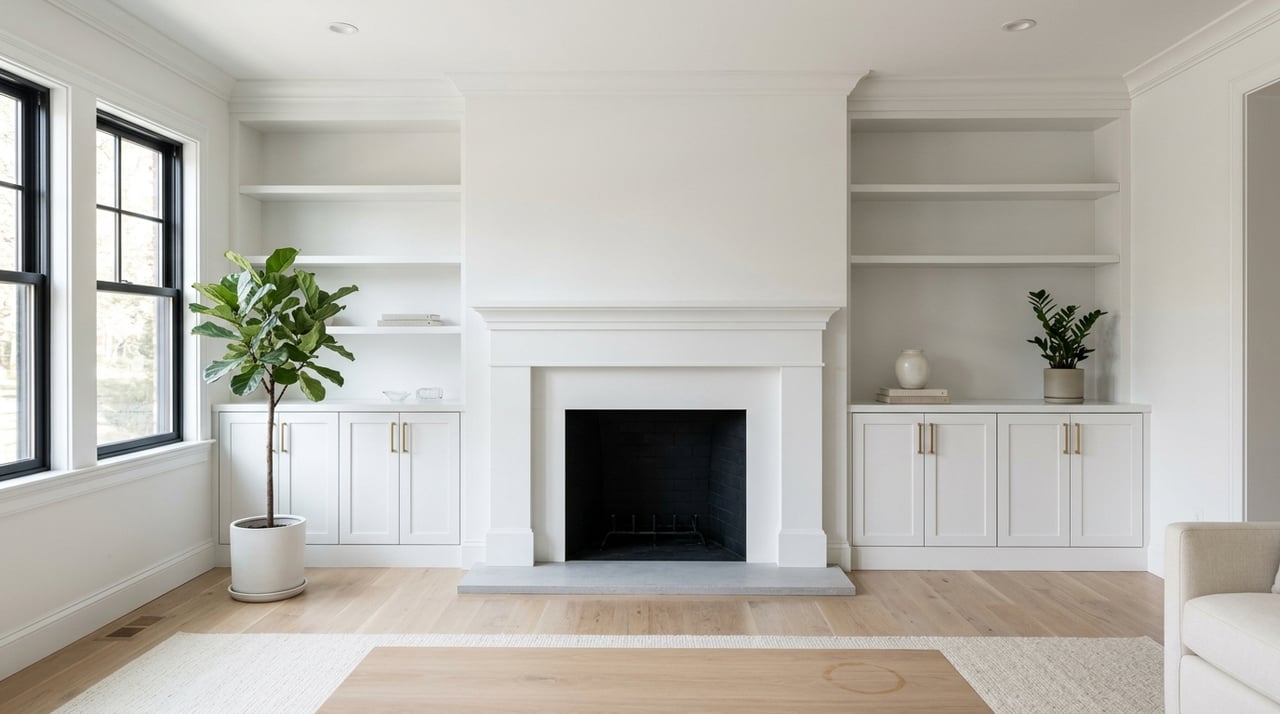
If you want to sell quickly in Waltham, preparation matters more than ever. Even in a market where homes often move fast, the listings that feel clean, well-priced, and ready for photos tend to stand out first. A smart pre-sale plan can help you protect your timeline, reduce stress, and avoid leaving money on the table. Let’s dive in.
Why prep still matters in Waltham
Waltham is moving at a healthy pace, but that does not mean every home sells instantly. Recent local snapshots show homes selling in about 20 to 24 days, often close to list price, with about two offers on average. At the same time, some listings still need price reductions, which is a strong reminder that buyers notice when a home feels overpriced or underprepared.
That matters whether you are selling a single-family home or a condo. Waltham has a mixed housing stock, and buyers across property types respond to the same basics: condition, presentation, photos, and pricing. In a near-list-price market, the goal is not just to list your home. The goal is to launch it in a way that feels polished and credible from day one.
Start with the right pricing strategy
A faster sale often begins before any cleaning or staging starts. Pricing needs to reflect recent Waltham comparables, current market behavior, and your home’s actual condition. It should not be based only on what you spent on updates or what you hope to net.
This is especially important with mortgage rates still elevated. Freddie Mac reported the average 30-year fixed-rate mortgage at 6.53% for the week ending May 28, 2026, which means buyers are watching value carefully. In this kind of market, realistic pricing from the start is often more effective than chasing the market with a later price cut.
Focus on updates buyers notice fast
Not every improvement pays off equally at resale. National remodeling data points to modest, visible upgrades as the strongest value plays, especially exterior projects and smaller refreshes. In practical terms, that supports a strategy of fixing what buyers can see quickly and skipping major discretionary work they may not fully pay for.
For many Waltham sellers, the best pre-sale projects are simple and targeted:
- Fresh paint in worn or dated areas
- Front-yard cleanup and basic landscaping
- Pressure washing walkways, siding, or porches where needed
- Repairing obvious deferred maintenance
- Repainting or replacing a tired front door
- Refreshing kitchens and baths so they feel clean and current
A full renovation can still make sense if there is a major functional issue. But if your home is basically sound, selective prep usually gives you a stronger return than a large, time-consuming overhaul.
Put curb appeal near the top
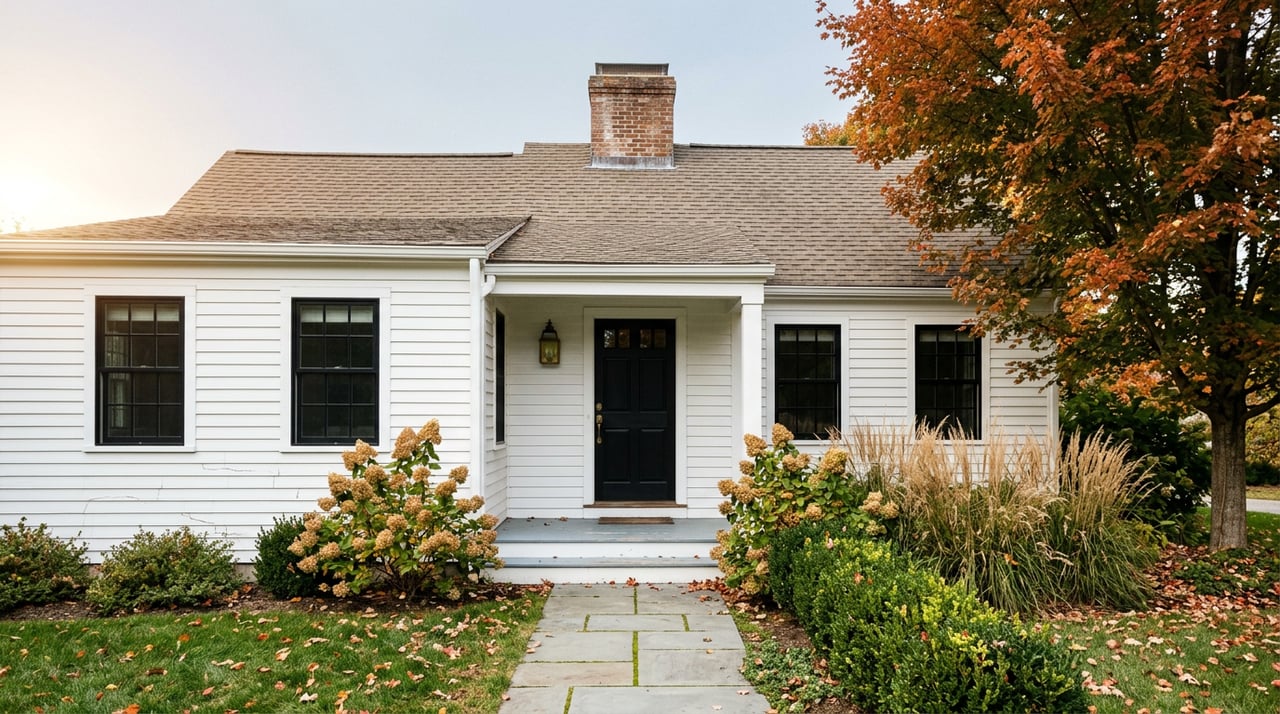
First impressions start before buyers walk inside. Zonda’s 2025 Cost vs. Value Report found that many of the highest-return projects were exterior improvements, and 8 of the top 10 projects were exterior replacements. That fits well with what buyers experience in real life: they begin forming an opinion at the sidewalk, driveway, and front door.
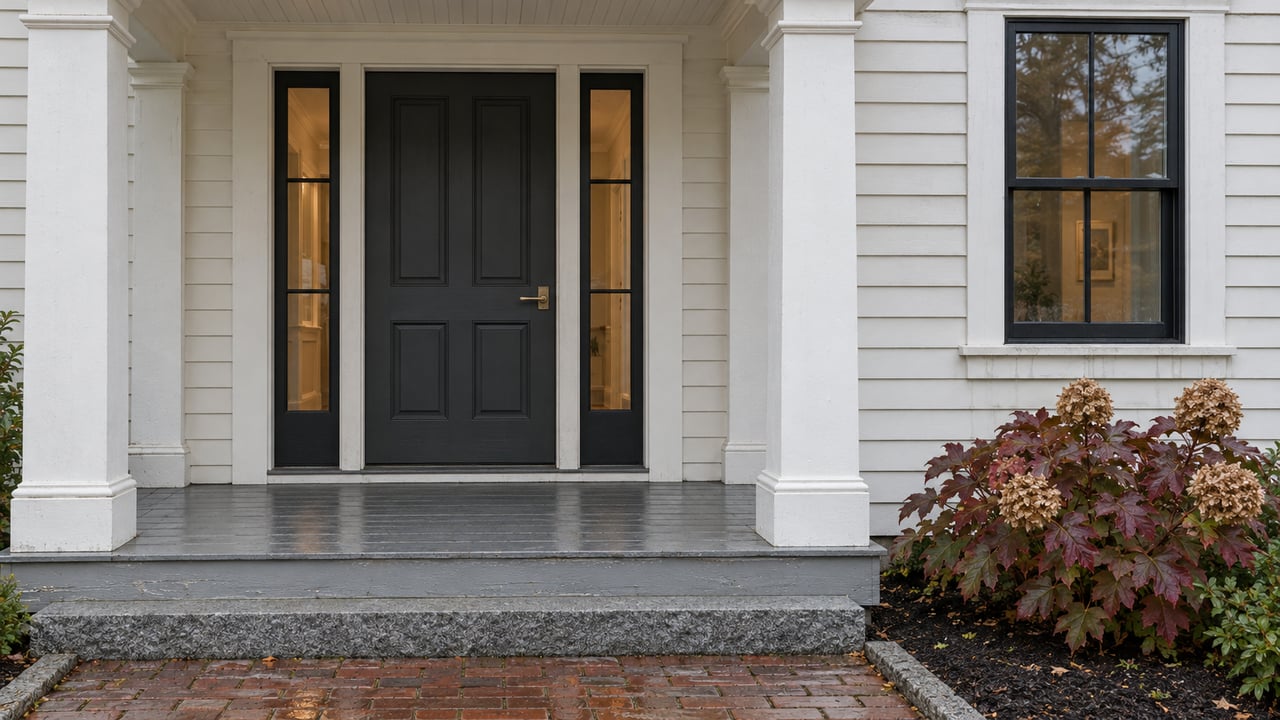
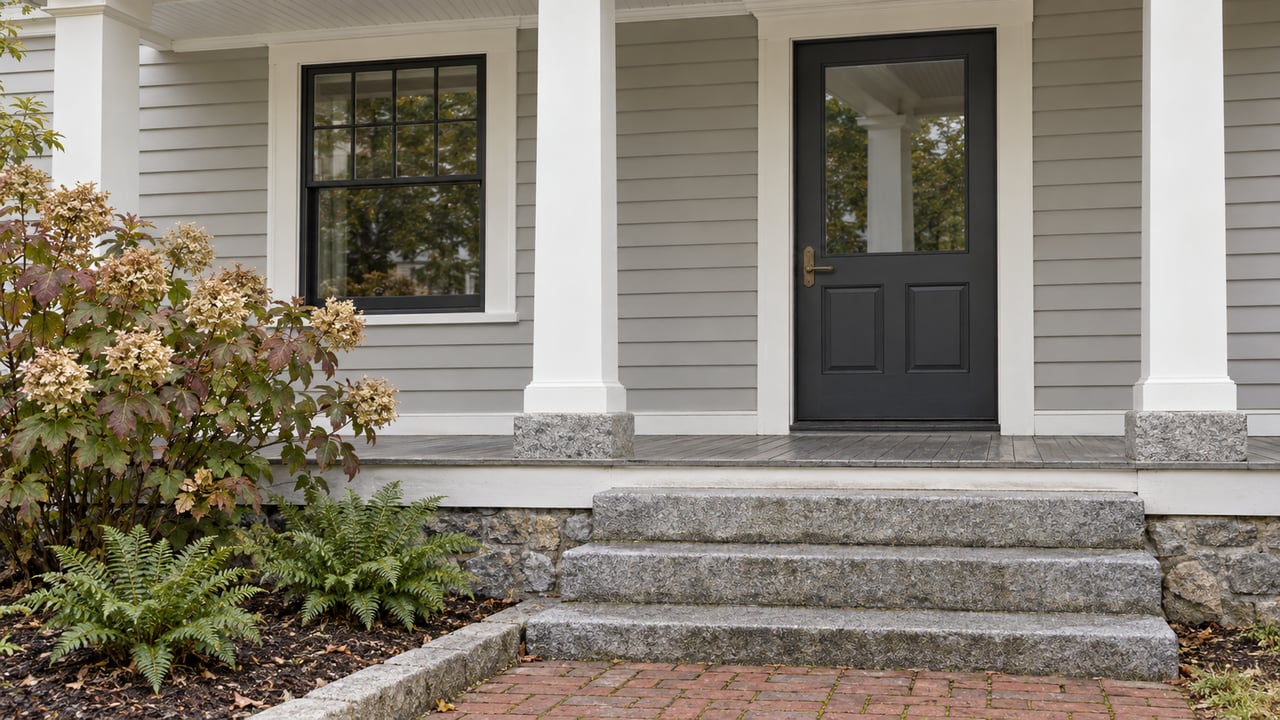
You do not need a dramatic transformation. Often, the most effective curb appeal work is also the most practical. Clean up the entry, trim overgrowth, touch up paint, replace anything visibly worn, and make sure the front approach feels cared for.
Declutter before you decorate
If you do only a few things before listing, start here. The National Association of Realtors’ 2025 staging profile found that the most common seller recommendations were decluttering, cleaning the entire home, and improving curb appeal. Those steps are not glamorous, but they make a huge difference in how buyers experience a space.
Decluttering helps rooms feel larger and calmer. Deep cleaning signals that the home has been maintained. Together, they create the kind of visual clarity that supports both in-person showings and online photos.
Stage the rooms that matter most
Staging does not have to mean furnishing every inch of the home. It can be a focused, practical investment. According to the 2025 NAR staging profile, 83% of buyers’ agents said staging makes it easier for buyers to visualize a property as a future home, and 49% said staging reduced time on market.
The same report identifies the most important rooms to stage first:
- Living room
- Primary bedroom
- Kitchen
If your budget is limited, start there. A strategic partial stage, paired with decluttering and strong styling, can be enough to elevate the overall impression. This is one of the most effective ways to make your listing feel move-in ready without overspending.
Finish prep before photography
Your online debut sets the tone for everything that follows. Buyers pay close attention to photos, videos, and virtual tours, so it is worth finishing visible prep before media day. If clutter is still out, light fixtures are dusty, or small repairs are unfinished, that will show up immediately.
In a market like Waltham, where homes can move quickly, strong listing media helps drive early interest while your home is fresh to the market. The cleaner and more complete your presentation, the easier it is for buyers to engage with the home online and decide it is worth seeing in person.
Plan around Massachusetts sale logistics
A fast sale is not just about attracting an offer. It is also about avoiding preventable delays once you are under agreement. In Massachusetts, a few sale-related items are worth addressing early, especially if you want a smoother closing path.
Residential sellers in Massachusetts generally do not have a broad affirmative disclosure requirement, but lead-paint notification rules still apply. If your home or condo unit was built before 1978, it is smart to handle lead-paint paperwork early so it does not become a last-minute issue.
Waltham also requires a smoke and carbon monoxide inspection before a real estate sale is completed. The Waltham Fire Prevention Bureau states that the certificate needed for closing is valid for 60 days, and the city advises sellers to schedule as soon as possible to avoid delays.
If your property uses a septic system, Massachusetts Title 5 rules may add another inspection step. This will not affect many in-town condos or homes on public sewer, but it is worth confirming well before you list.
A simple prep timeline for Waltham sellers
The most successful launches usually follow a clear sequence. Instead of trying to do everything at once, move through the prep in stages.
Four to six weeks before listing
Start with pricing strategy, a walk-through of visible issues, and a prep plan based on budget and timing. This is the right window to identify repairs, decide what to refresh, and gather any paperwork that could affect closing.
Two to four weeks before listing
Complete paint touch-ups, maintenance items, curb appeal work, and deep cleaning. If staging is part of the plan, focus first on the living room, primary bedroom, and kitchen.
One week before listing
Remove extra furniture, simplify surfaces, improve lighting, and finish final styling. Your home should be photo-ready before pictures, video, or tours are scheduled.
Before going under agreement
Make sure you are organized on logistics that can affect the transaction timeline. For many Waltham sellers, that means lead-paint documentation if applicable, scheduling the local smoke and carbon monoxide inspection, and confirming whether septic applies.
What sellers often get wrong
The biggest mistake is assuming a strong market will fix weak preparation. It can be tempting to test a high price, skip cosmetic work, or put off paperwork until later. But in a market where buyers are comparing homes carefully, those choices can slow momentum.
Another common misstep is over-improving. If you spend heavily on highly personal or unnecessary upgrades, you may not get that money back. A better strategy is to improve what buyers notice immediately, present the home clearly, and let the pricing support the launch.
Strategic prep is really about confidence
When your home is thoughtfully prepared, buyers feel it. They can understand the space more easily, trust the condition more quickly, and act with fewer doubts. That confidence can shape everything from showing activity to offer strength.
In Waltham, where homes often sell close to asking price and market time can be short, the advantage goes to sellers who combine realistic pricing with smart, visible prep. If you want to sell faster, your best move is usually not more work. It is the right work, done in the right order.
If you are thinking about selling and want a tailored prep strategy for your home, Colleen Kelly can help you prioritize improvements, refine pricing, and create a launch plan designed to reduce stress and maximize your result.
FAQs
What is the average time to sell a home in Waltham, MA?
- Recent local market snapshots show homes in Waltham selling in about 20 to 24 days on average, though actual timing depends on pricing, condition, and presentation.
What home improvements matter most before selling in Waltham?
- The strongest pre-sale improvements are usually visible, practical updates such as curb appeal work, paint, entry repairs, cleaning, and modest kitchen or bath refreshes rather than major discretionary remodels.
Does staging help a Waltham home sell faster?
- Yes. The 2025 NAR staging profile found that 49% of agents said staging reduced time on market, and staging is especially helpful in the living room, primary bedroom, and kitchen.
Do sellers need a smoke detector inspection in Waltham?
- Yes. Waltham requires a smoke and carbon monoxide inspection before a real estate sale is completed, and the certificate for closing is valid for 60 days.
Do Massachusetts sellers need to disclose lead paint?
- Massachusetts sellers generally do not have a broad affirmative disclosure requirement, but lead-paint notification rules apply, so pre-1978 homes and condo units should address that paperwork early.
Should you renovate before listing a home in Waltham?
- Usually, selective updates are the better choice. Many sellers benefit more from fixing visible issues and improving presentation than from taking on a large full-scale renovation before listing.