Ever wonder what it actually feels like to live in Somerville every day, not just visit for dinner or pass through on the T? If you are thinking about moving here, buying a home, or simply narrowing down neighborhoods around Boston, it helps to picture the rhythm of daily life before you make a decision. Somerville offers a compact, urban lifestyle shaped by walkable squares, strong transit access, multifamily housing, and a steady mix of dining, arts, and public spaces. Let’s dive in.
Somerville Feels Compact and Connected
Somerville is a small city by land area, just over four square miles, but it has a population of more than 82,000 people. That density shapes nearly everything about daily life, from how you get around to how you use public space.
Instead of feeling spread out, Somerville feels neighborhood-based. The city is organized around more than 20 squares, each with its own mix of homes, shops, restaurants, and everyday services. In practice, that means your day-to-day experience often revolves around the square closest to home.
Daily Life Centers on the Squares
One of the biggest lifestyle features in Somerville is that it does not revolve around one single downtown. You are more likely to build routines around places like Davis Square, Union Square, Ball Square, Magoun Square, or Assembly Row, depending on where you live.
That setup gives the city a more local feel. You can run errands, meet friends, grab coffee, or head to dinner without needing to cross the entire city. It also means different parts of Somerville can feel distinct while still being closely connected.
Davis Square Has an All-Day Rhythm
Davis Square is one of the clearest examples of Somerville’s day-to-night lifestyle. The city describes it as a food and entertainment destination, a transit hub, a key point on the Somerville Community Path, and a pedestrian center.
For you, that can mean busy sidewalks, lots of foot traffic, and a strong mix of daytime errands and evening activity. It is the kind of place where commuting, dining, and social plans often overlap in one area.
Union Square Feels Social and Civic
Union Square has a different energy. City materials describe it as the social, cultural, and spatial heart of the neighborhood and the city’s oldest commercial district.
That helps explain why daily life there can feel centered around gathering spaces as much as storefronts. Outdoor dining, markets, festivals, and public plaza activity all contribute to a routine that feels active and community-oriented.
Other Squares Support Everyday Convenience
Ball Square and Magoun Square add more neighborhood-scale dining and errands. Assembly Row brings a newer live-work-play environment with retail and restaurants.
Together, these areas help create a city where everyday needs are spread across multiple centers. That can be a real advantage if you want options close to home without relying on one commercial strip.
Getting Around Often Means Living Car-Light
Transit plays a major role in day-to-day life in Somerville. The city reports 14 MBTA bus routes, along with access to the Red, Orange, and Green lines.
The Green Line Extension has had a major impact on mobility within the city. Somerville now has new stations at Union Square, East Somerville, Gilman Square, Magoun Square, and Ball Square, which has expanded how many residents can access rail service close to home.
For many people, that translates to a car-light lifestyle. You may still own a car, but daily routines often rely on a mix of trains, buses, walking, biking, and rideshare instead of driving for every trip.
Commutes Can Be Convenient, but Not Always Short
Somerville’s transit access can make commuting feel practical, especially if you work in Boston or Cambridge. The Green Line Extension also provides a one-seat ride into downtown Boston from the region.
That said, convenience does not always mean a quick trip. The Census Bureau reports a mean travel time to work of 31 minutes for Somerville workers, so you should expect urban commuting realities even in a well-connected location.
Walking and Biking Are Part of Everyday Routine
The Somerville Community Path is one of the city’s most useful daily amenities. It runs about 3.2 miles from the Cambridge city line to East Cambridge by Lechmere and serves as a major walking, biking, and rolling corridor through the city.
This is not just recreational space. It is part of how people move through Somerville, linking neighborhoods and making it easier to build a routine around active transportation.
The city also signals strong support for micromobility. Development approvals often include transit passes, Bluebikes stations, and bikeshare support, which reinforces the idea that getting around without heavy car dependence is built into local planning.
Housing Often Means Rentals, Condos, and Multifamily Homes
If you are picturing Somerville, it helps to know that the housing stock is varied but leans heavily toward rentals and multifamily living. The owner-occupied housing rate is 34.2%, which tells you that renting is a major part of the local housing landscape.
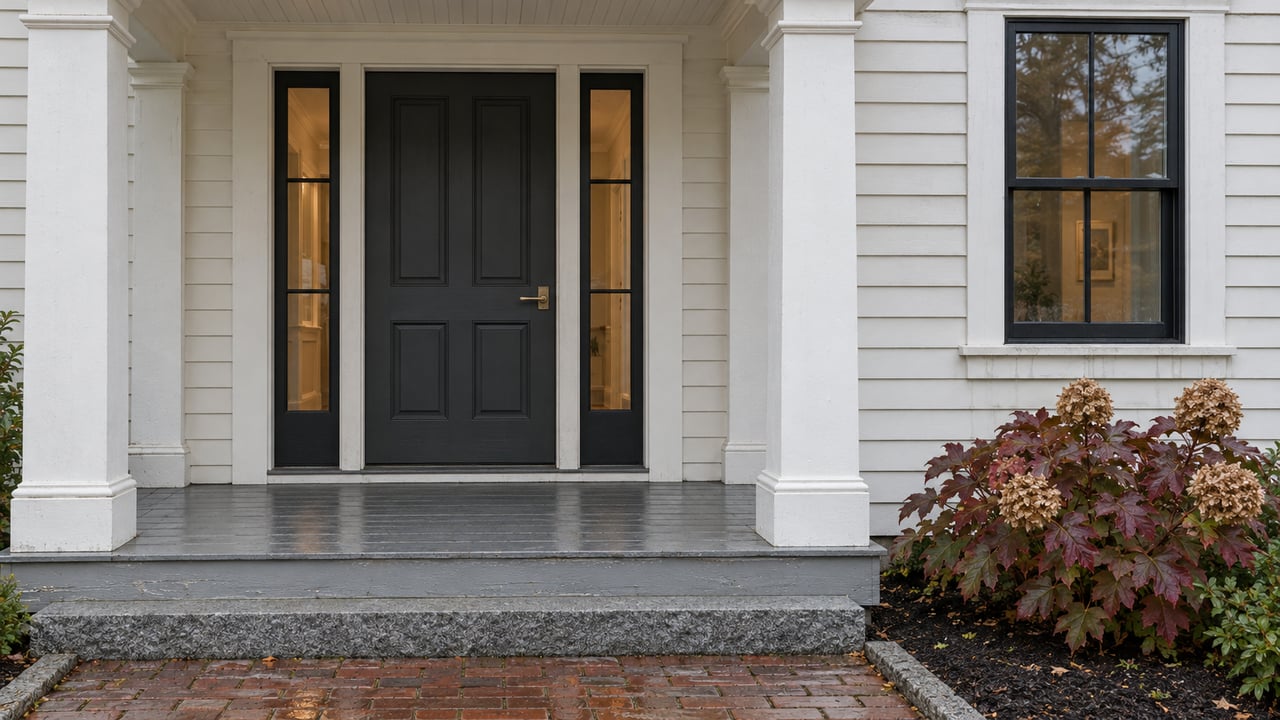
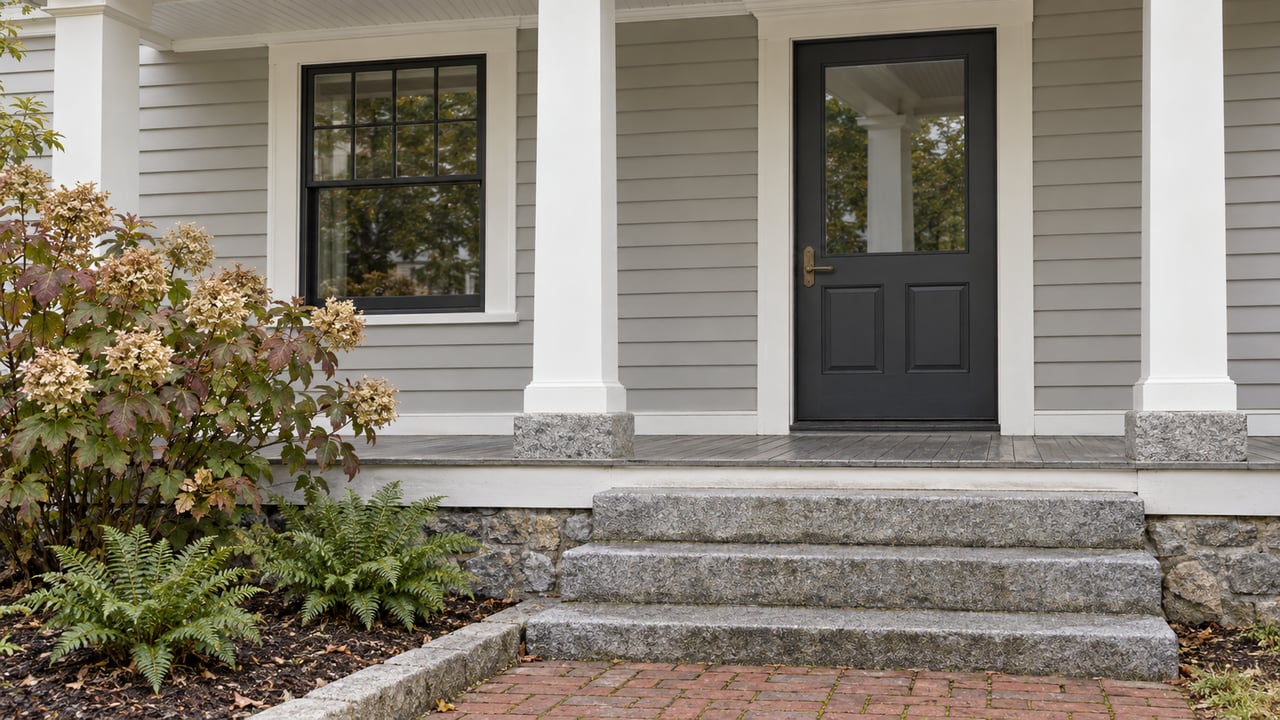
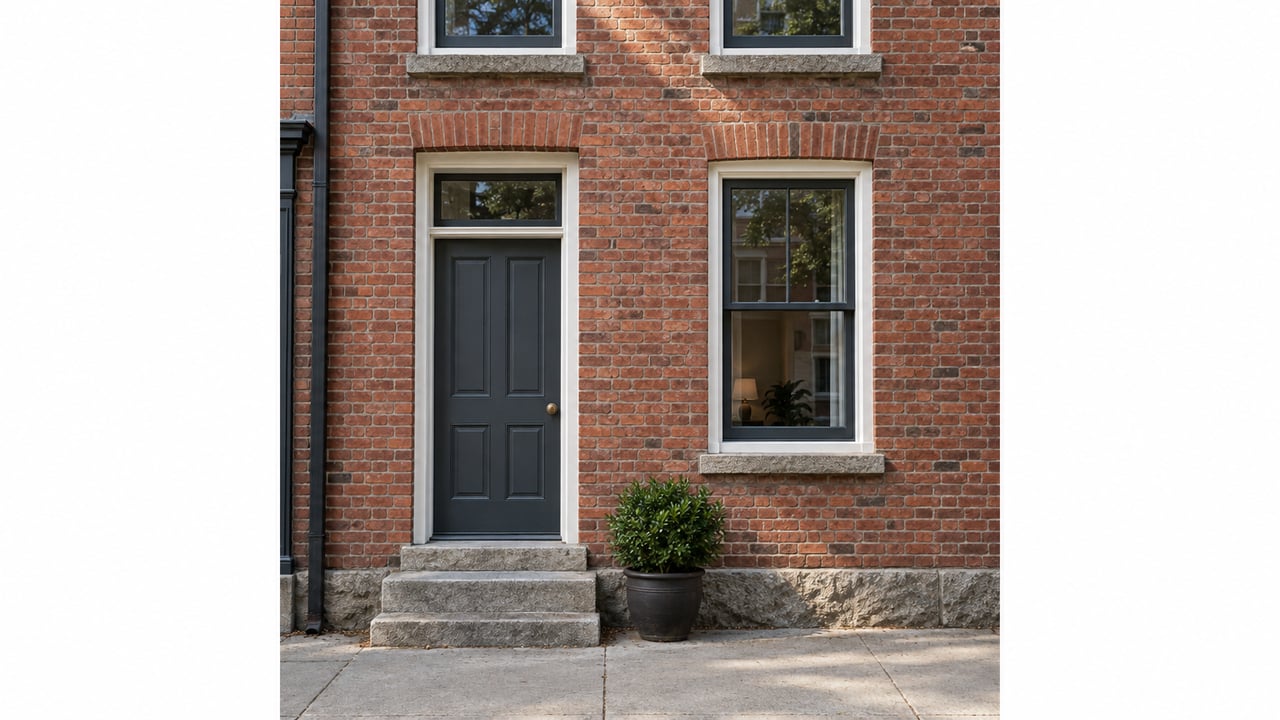
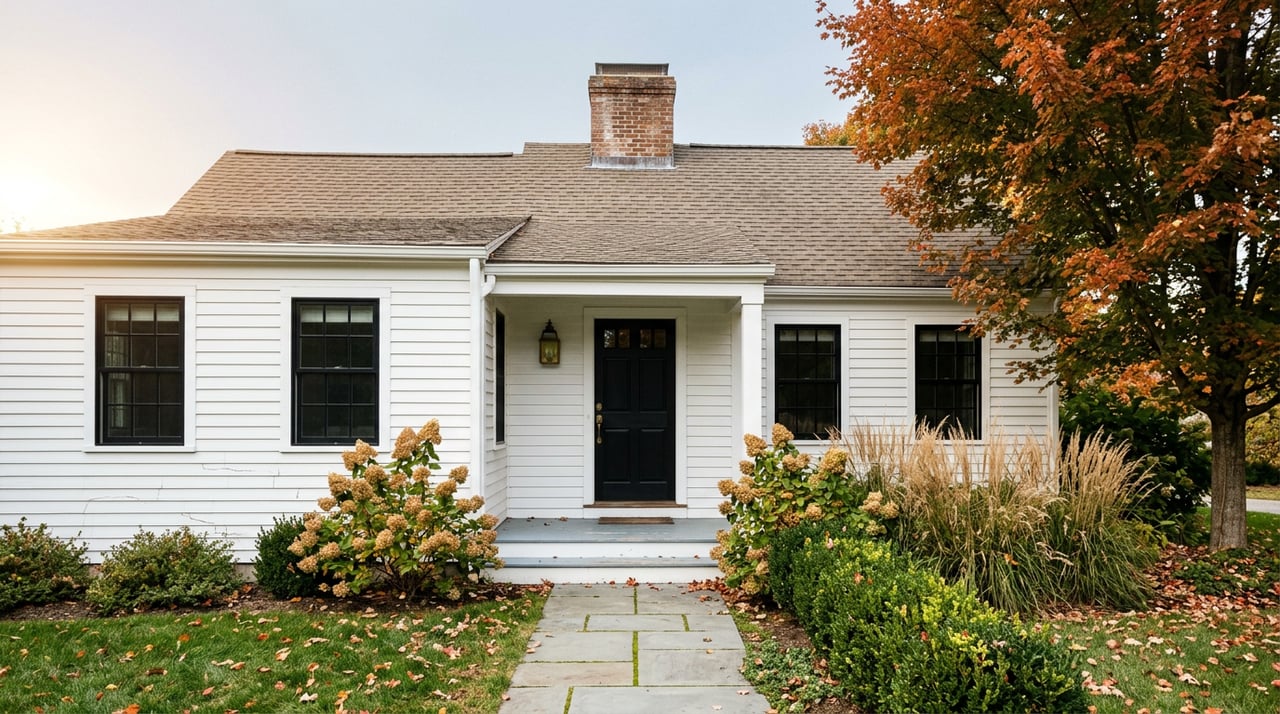
The housing mix includes apartment buildings, triple-deckers, condominiums, single-family homes, duplexes, and semi-attached houses. That range gives buyers and renters several ways to enter the market, but it also means the city feels more urban and layered than suburban.
For buyers, condos and multifamily properties are a central part of the conversation. For sellers, presentation and pricing strategy matter in a market where buyers are often comparing multiple property types and living styles at once.
Costs Reflect a High-Demand Market
Somerville is not an entry-level market by price. The Census Bureau reports a median owner-occupied home value of $911,300 and a median gross rent of $2,517.
Those numbers help explain why many people spend time researching the lifestyle before making a move. If you are buying or selling here, understanding how a specific home fits into the broader neighborhood pattern is especially important.
Outdoor Life Happens in Smaller, Well-Used Spaces
You will not find huge suburban-style open spaces in Somerville, but outdoor access is still part of everyday life. The city has more than 80 parks and open spaces, and Parks and Recreation offers year-round programs.
Because the city is compact, these spaces tend to be heavily used and woven into neighborhood routines. Parks, plazas, streetscapes, and paths function more like civic infrastructure than occasional extras.
The city also oversees 11 active community gardens. That is a small but meaningful sign of how residents make use of limited outdoor space in practical, neighborhood-based ways.
Food and Arts Are Part of the Weekly Routine
Somerville stands out for more than convenience. The city’s restaurant and arts culture shapes what normal life feels like from one week to the next.
You are not limited to a few destination spots. Dining options are spread across multiple squares, which means grabbing takeout, meeting friends, or trying somewhere new can become part of your regular neighborhood rhythm.
Arts are woven into that same public life. Events like ArtBeat in Davis Square and Somerville Open Studios reflect a city where creative work is visible, local, and tied closely to public space and small business activity.
The Sidewalk Energy Is Real
One of the most consistent themes across city and arts materials is visible activity. Sidewalks are active, public events recur throughout the year, and arts programming shows up in everyday places, not just formal venues.
If you are looking for a place that feels lively and participatory, Somerville often delivers that. If you want a quieter, lower-density setting, the city may feel more active than what you have in mind.
What Somerville Lifestyle Usually Suits Best
Somerville often appeals to people who want walkability, transit access, dining variety, and easy connections to Boston and Cambridge. It can be a strong fit if you value neighborhood identity and do not want to depend heavily on a car.
It is less like a quiet suburb and more like a network of compact urban neighborhoods with multiple center points. That distinction matters because lifestyle fit here is often about pace, access, and daily habits as much as the home itself.
If you are considering a move, it helps to think beyond square footage. Ask yourself how you want your mornings, commute, errands, evenings, and weekends to feel, because in Somerville, those routines are a big part of the appeal.
If you want help evaluating how Somerville fits your goals as a buyer or seller, Colleen Kelly offers thoughtful, high-touch guidance rooted in neighborhood insight and a strategic approach.
FAQs
What is everyday life like in Somerville, MA?
- Everyday life in Somerville tends to feel urban, walkable, and neighborhood-based, with routines often centered around local squares, transit stops, restaurants, and public spaces.
Is Somerville, MA a good place for living without a car?
- Somerville can support a car-light lifestyle because it has MBTA bus service, Red, Orange, and Green Line access, and the Somerville Community Path, though many residents still combine transit with other travel options.
What kind of housing is common in Somerville, MA?
- Common housing types in Somerville include apartments, triple-deckers, condominiums, duplexes, semi-attached homes, and some single-family houses, with the market leaning toward rentals and multifamily living.
How long is the average commute from Somerville, MA?
- The U.S. Census Bureau reports a mean travel time to work of 31 minutes for Somerville workers.
What are the main neighborhood centers in Somerville, MA?
- Somerville daily life often revolves around squares such as Davis Square, Union Square, Ball Square, Magoun Square, and Assembly Row, each with its own mix of dining, errands, and services.
Does Somerville, MA have parks and outdoor space?
- Yes, Somerville has more than 80 parks and open spaces, plus 11 active community gardens and the Somerville Community Path, which supports walking, biking, and rolling through the city.
What makes Somerville, MA different from a suburb?
- Somerville is denser, more transit-oriented, and more centered on walkable neighborhood squares than a typical suburb, so daily life usually feels more compact and active.